There's an email that reaches me a few times a month, and I can usually tell it went to two other companies before it got to me:
"Hi — we're putting together a brand video this quarter and need to get three quotes. Can you send over pricing?"
The three quotes come back and they do not look like quotes for the same job. One is a few hundred dollars. One is a few thousand. One is five figures and arrives as a slide deck. She assumes somebody is overcharging her and picks the middle one, because the middle one feels safe.
The spread is not a scam. It is three kinds of business answering three different questions, and none of them wrote down which question they answered. Here is how to tell them apart: what each kind of video company in Lincoln is good at, the eight questions that reveal which one you're talking to, how to read a reel without being fooled, and a brief you can paste into an email so every quote comes back pricing the same job.
The three kinds of video production company in Lincoln
The solo shooter. One person with a camera, a laptop, and a calendar. Good solo videographers in Lincoln are genuinely good, and for one contained deliverable they're the efficient choice: a customer testimonial, a founder talking to camera for the About page, a recap of a one-hour ribbon cutting. Work in this lane generally runs $200 to $600 per project. The risk isn't talent, it's capacity — one person shoots, edits, invoices, and answers email, so when three clients want revisions in the same week you're in a queue you can't see.
The lean studio. A small team that plans, shoots, grades, and edits in-house, usually doing photo and video on the same day. Good for the job most Lincoln businesses actually have: a brand film for the website that also throws off six vertical cuts for Instagram, shot in one day so you aren't booking your staff and your space twice. Expect $600 to $2,500 for a project. This is the lane NVAR sits in, so read the rest with that in mind.
The agency. Producer, director, crew, a client-services layer, and a media plan attached. Good when the video is one asset inside a regional campaign with a broadcast or paid buy behind it, where somebody has to own talent releases, usage windows, and a network's technical specs. That machine costs what a machine costs — $8,000 to $50,000 and up. If your deliverable is a two-minute film for the homepage, you'll pay for the whole machine and use a tenth of it.
Nobody in that list is overcharging. They're selling different things. For the line-by-line of what each part of a production day costs, that's the video production cost guide.
Decide what the video has to make happen before you look at reels
Almost everyone shops this backwards: showreels first, fall for the prettiest one, then reverse-engineer a goal that justifies it.
Do it the other way. Write one sentence: this video exists to make ___ happen. More bookings on the calendar. More applications for two open roles. More people walking through the door on a Thursday night. A funder who understands the program in ninety seconds. If you can't finish that sentence, no production company can fix it for you, and the ones who imply they can are selling you a shoot.
Then answer three things: where it lives (homepage, paid ads, Instagram, a conference screen, all four), how long it can be in each, and what the deadline is tied to. A trade-show loop and a paid Instagram placement are not the same edit, and a company that quotes both at the same number hasn't read your email.
Those answers pick your company more reliably than any reel does. A testimonial for a landing page points at a solo shooter. A website film that also feeds a quarter of social points at a lean studio. A fifteen-second spot running on television across the state points at an agency.
The 8 questions to ask every Lincoln video company
Ask all eight. The answers sort the field faster than the portfolio does.
- Who is actually shooting, and who is editing? You want names, not "our team." Subcontracting isn't a sin, but the person who answered your email should be on site, and the editor should have been on the call where the plan got made. If the two have never spoken, the edit will show it.
- Are color grading and editing included in that number? Some quotes price the shoot day and treat post-production as a surprise. Ask what the number covers: how many finished pieces, at what lengths, graded or not. "A day of filming" is not a deliverable.
- What is the delivery timeline, in writing? You want a date in the agreement, not "a few weeks." Two to three weeks from the shoot is reasonable for a one-off brand piece; an event reel should be days. Vagueness here almost always means a queue you're being added to quietly.
- How many revision rounds are included? Two is a normal, honest answer, with a stated cost for more. Unlimited revisions isn't generosity — it's a company that hasn't scoped the project and will eventually resent you.
- Who owns the footage and the raw files afterward? Ask who owns the finished video, what you're licensed to use it for, and whether raws are available. Studios keeping raws as working files is fine when it's said up front. What you can't have is finding out next year that your own footage is leverage.
- Are you insured for commercial production? Any venue, hospital, plant, or hotel worth filming in asks vendors for a certificate of insurance before load-in. A working company sends it the day you ask. If the question causes confusion, you've learned something.
- Can you cut vertical for Reels from the same shoot? Vertical has to be planned while filming — framed with room at the top and bottom — not cropped out of a finished widescreen edit afterward. Ask to see a vertical and a horizontal cut off one shoot day.
- Can you show me a finished project like mine — not a sizzle reel? This is the question that ends most conversations. A sizzle reel is an argument. A finished, delivered two-minute piece for a business your size is evidence.
How to read a reel (and why you should ask for a full piece instead)
A showreel is a highlight of highlights: three-second slices chosen because they're the best three seconds anyone shot that year. Reels hide the two things that make video hard — the edit and the sound. You can't see pacing in a three-second clip, and you can't hear clean dialogue when the whole reel is music.
So ask for one complete piece, sixty to a hundred and twenty seconds, start to finish, that was actually delivered to a client. Then look for three things. Rooms lit with the light that's already in them, looking intentional rather than flat or orange — most of your video gets filmed inside your own building and nobody is rebuilding it with studio lights. Dialogue you can understand without effort, no hiss behind it. And people who look directed rather than posed: told where to stand and what to do with their hands, rather than told to act natural.
Red flags in a Lincoln video quote
- "It depends" with no range attached. Everything depends. A professional still hands you a bracket on the first call, then narrows it once they know the scope.
- No contract, or a one-line email standing in for one. Deliverables, timeline, revision rounds, usage, and payment terms belong in a signed document.
- Deliverables not named by length and format. "Social videos" is not a deliverable. "Three vertical cuts, 15–30 seconds, 9:16, captioned" is.
- Raw footage held hostage. Keeping raws as working files is normal. Refusing to say what happens to them, or naming a fee to release your own shoot later, is not.
- A reel containing work they didn't do. Ask who shot and who edited each piece you're shown. A direct question, and not a rude one.
- A reel with no dialogue audio anywhere in it. Wall-to-wall music, nobody ever speaking. That's not a style choice, that's a company hiding its sound.
What NVAR charges, so you can calibrate
Our numbers are published, which is the point: you can't compare quotes against a company that won't say.
One-off production days are $600 for a half day and $1,100 for a full day, color-graded and delivered within two weeks. Monthly content engines start at $1,500/month, with the first month at $750 so you can judge the response before committing to a cadence. Event coverage starts at $500 for a two-hour event with a same-week highlight reel. Larger productions — multi-day brand films, campaign work — are scoped on a free consultation, because quoting those off an email is guessing.
Full scope, examples, and the reels themselves are on our Lincoln video production page. Photo rates and the other service lines sit on the Investment page if the video is one piece of a bigger push. If what you actually need is a steady supply of Reels rather than one film, that is the social media content engine, and it is priced differently. Event work is its own lane — same-week highlight reels are the standard on our event videography and coverage page.
Proof, not a pitch
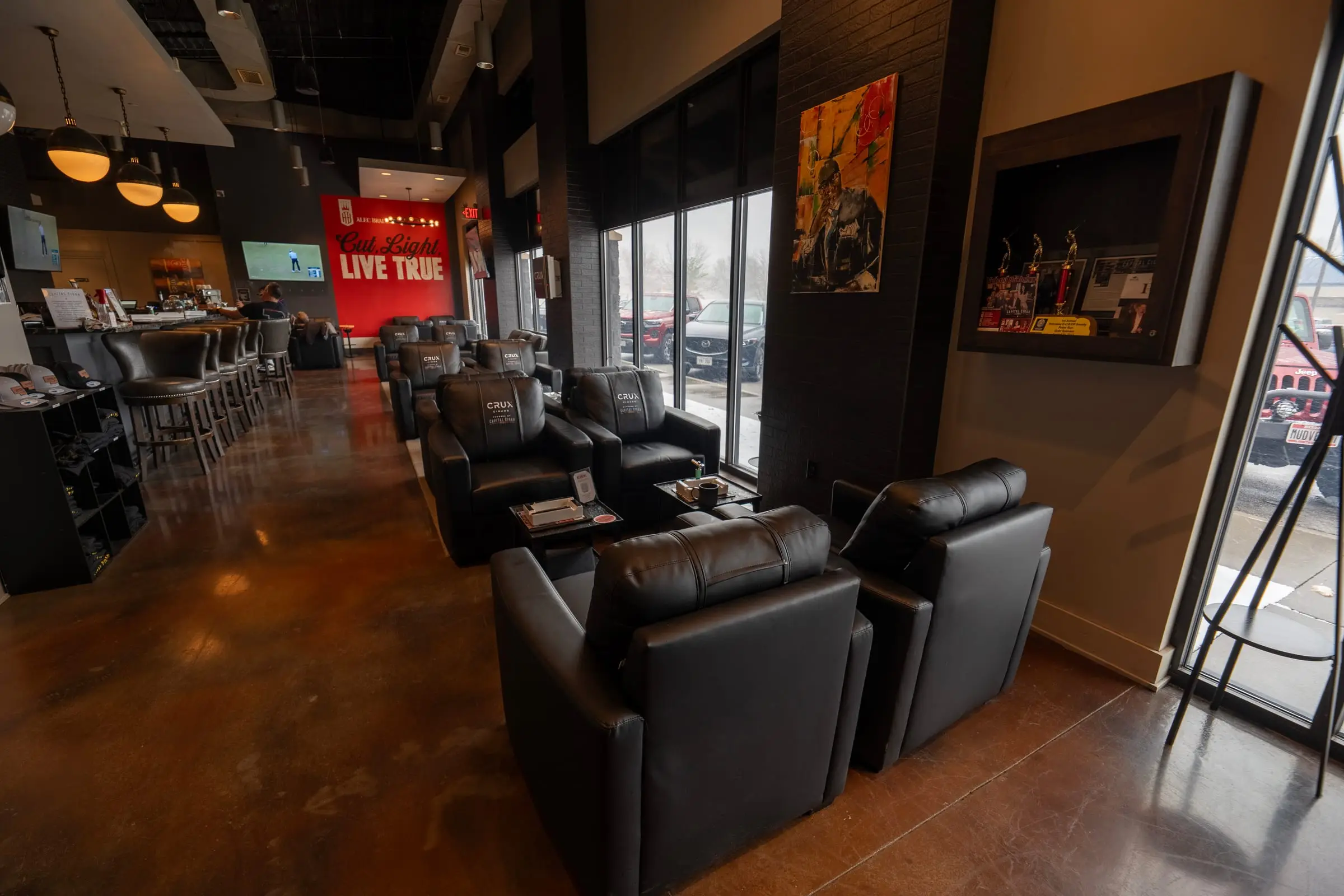
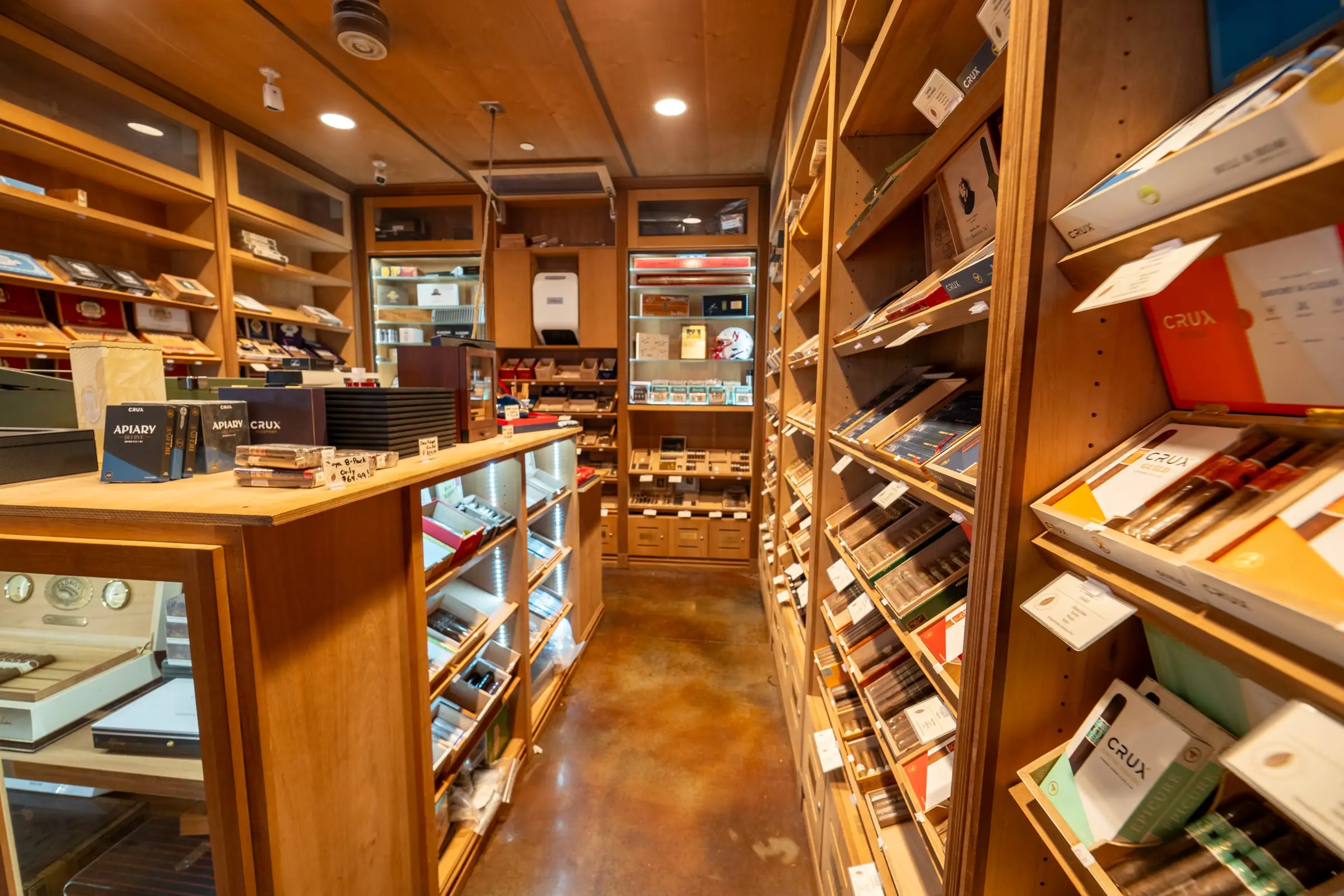
The honest test of a video company is what happened after delivery. Capital Cigar Lounge, a Lincoln venue we film on a monthly cadence, pulled 89,740 Instagram views in 90 days — 38× the account's follower count — with 53% of those views from non-followers, the figure that matters, because it means the content left the existing audience and found new people. The breakdown is in the Capital Cigar Lounge case study.
A copy-paste brief for video quotes
Send this, filled in, to everyone you're asking. Every quote comes back pricing the same job — the whole problem, solved.
VIDEO PROJECT BRIEF

Business + what it sells:
What the video must make happen:
Where it will live: (homepage, paid ads, Instagram, event screen)
Length + formats needed: (e.g. one 90s 16:9, three 15-30s 9:16)
Deadline: (hard date, and what it's tied to)
Locations: (addresses, indoor/outdoor, access restrictions)
People on camera: (how many, comfortable or not, available when)
Budget range:
Usage + ownership expectation: (how long, what channels, raw files?)

Please include: who shoots, who edits, revision rounds,
delivery date, and whether you carry production insurance.
FAQs
How much does a video production company cost in Lincoln, NE? Solo shooters run roughly $200–$600 per project, lean studios $600–$2,500, and agencies $8,000 and up. NVAR's one-off production days are $600 (half day) and $1,100 (full day), color-graded and delivered within two weeks; monthly content engines start at $1,500/month.
Should I hire a videographer or a video production company? For a single talking-head or a quick recap, a good solo videographer is fine. If the video has to carry your website, feed paid ads, and spin off Reels, you want a studio that plans, shoots, grades, and edits in-house so one production day yields everything.
How long does a video project take in Lincoln? Two to three weeks for a one-off brand or promo video, three to seven days for an event highlight reel, four to six weeks for a multi-piece campaign. The full breakdown is in our video production timeline guide.
Do you shoot in Omaha too? Yes — Lincoln, Omaha, and the corridor between them are base service area with no travel surcharge. See the Omaha commercial videographer page.
Closing
Pick the company whose business model fits the job, not the one with the prettiest three seconds. Ask the eight questions, make them show you one finished piece instead of a reel, get the delivery date and usage terms into the agreement, and send everybody the same brief. If you want the longer version of how this works as an ongoing relationship rather than a one-off, that's how we partner with businesses — and if you'd rather talk it through, book a free 30-minute call. You leave with a written scope whether you book or not.
— Nvar