Gala season in Lincoln runs hard from September through April, and if you're planning one, coverage is probably line 14 on a 40-line budget spreadsheet. Here's the honest version: what it actually costs, why a ballroom is one of the hardest rooms to shoot, and which deliverables sell tickets next year — from someone who shoots these rooms every month.
Why gala coverage is different from other event work
Three things make a fundraiser harder than a standard corporate event.
The light is terrible on purpose. A ballroom at program lighting is uplights, candles, and one spotlight on the podium. That's the mood your designer wanted — and it's exactly the light that turns phone photos and cheap coverage into grainy mush. Handling a dark formal room without blasting flash during the live ask is a gear problem and an experience problem, and you should ask any vendor to show you gallery work shot in rooms that dark.
The room is formal. Nobody wants a photographer crouching in front of the head table during the honoree's speech. Coverage has to happen from the edges, on long lenses, timed to the program.
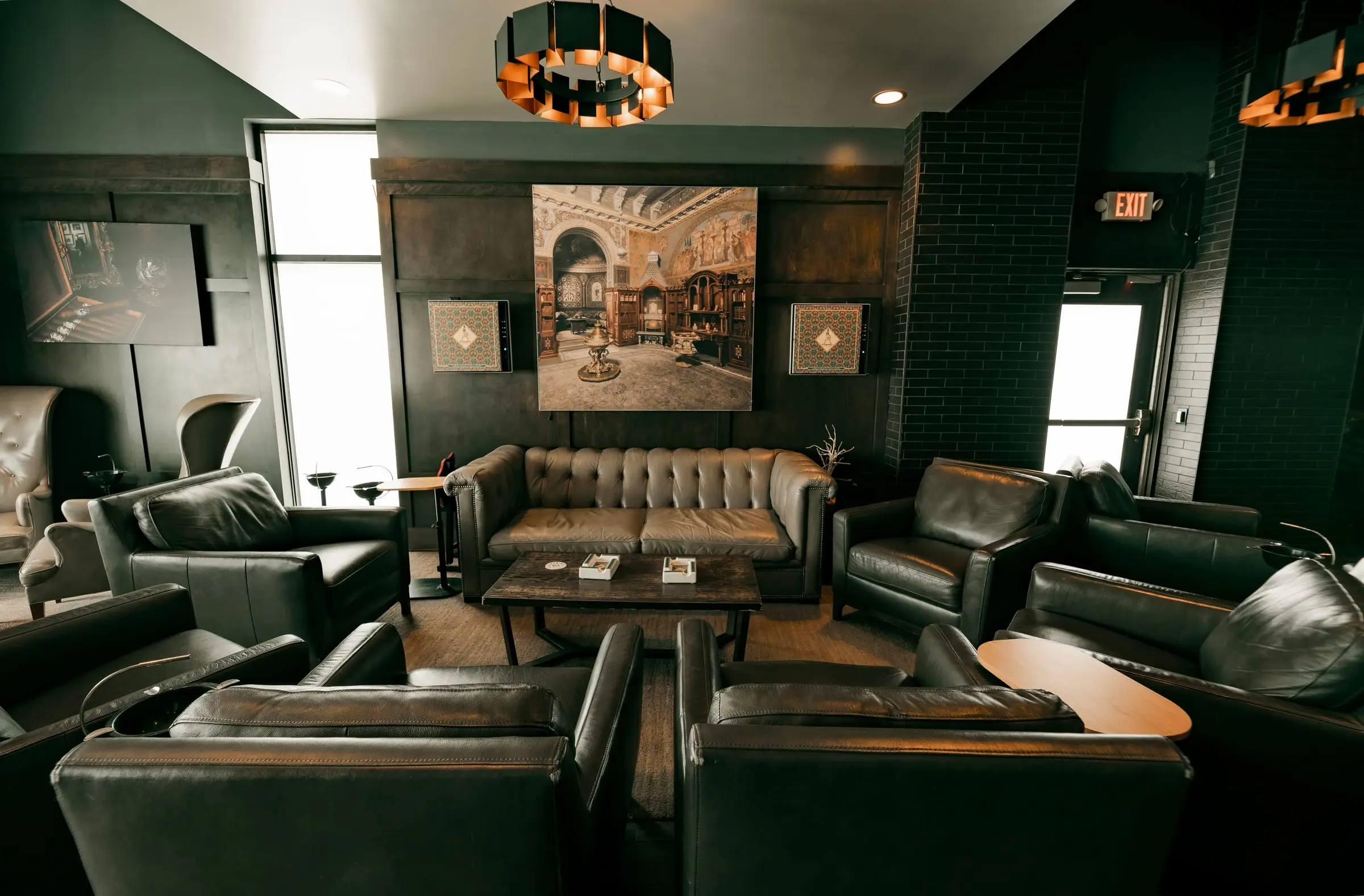
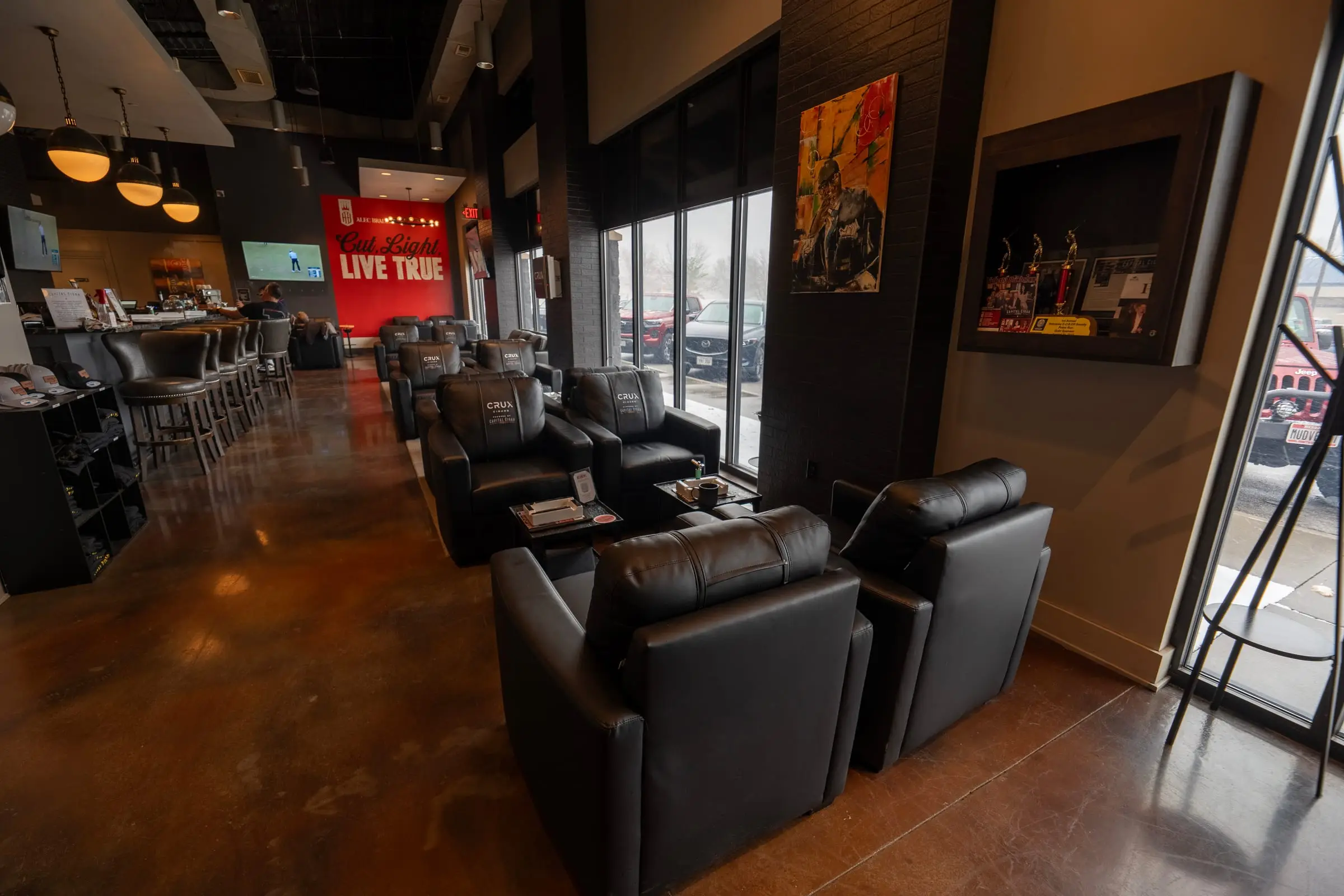
Your donors did not come to be photographed. This is the big one. The people writing the largest checks in the room are often the people who least want a camera in their face. Discretion is the core skill — knowing when to shoot, when to lower the camera, and how to get the room without working the tables like it's a wedding. Discreet coverage of upscale rooms is the NVAR house specialty: I cover national cigar-brand events at premium Lincoln venues monthly, in low light, around guests who expect privacy. That's the same skill set your paddle raise needs.
What a nonprofit should budget in 2026
Typical market ranges first, so you have context. In a market like Lincoln, a solo event photographer usually runs $150–$300/hour. A separate videographer delivering an edited recap typically lands $1,500–$3,500 per event. Hire both as separate vendors and a one-night gala often totals $2,500–$5,000 — plus two contracts, two invoices, and two people coordinating around each other in your program.
My anchor is simpler: NVAR event coverage starts at $500 for a 2-hour event, photo and video combined, one shooter, one invoice. That includes a same-week highlight reel, social-ready clips, a color-graded gallery, and a full commercial usage license — so the images can go in your annual report, grant applications, and sponsor decks with no extra licensing fees. Longer events scale from there; full pricing is on the investment page.
Two budget notes planners miss:
- Rush same-day highlights are available. If you want a clip in the thank-you email that goes out the next morning, say so at booking, not at 10 p.m.
- Recurring event calendars get retainer pricing. If your org runs an annual gala plus a spring luncheon plus quarterly donor events, a monthly content retainer from $1,500/mo usually beats booking each event à la carte. Details on the for-business page.
The deliverables that actually sell next year's tickets
Most gala galleries get downloaded once and die in a Google Drive folder. Plan for the assets that do work:
The same-week recap reel. The Monday after your gala is your highest-attention moment of the year — attendees are posting, tagging, and feeling good about the cause. A recap reel that lands that week rides the momentum; one that lands in three weeks lands in silence. For proof this approach moves numbers: my flagship client Capital Cigar Lounge pulled 89,740 Instagram views in 90 days — 38× their follower count — off this kind of consistent, fast-turnaround coverage.
Sponsor-logo coverage. Shoot the step-and-repeat, the banners, the table cards, the branded bar — deliberately, not incidentally. When renewal season comes, your development team sends each sponsor photos of their brand in a full room. Sponsors renew when they can see what they bought. This is the cheapest sponsorship-retention tool you have.
The total reveal and the emotional peak. The paddle raise result on screen, the honoree's reaction, the standing ovation. These are next year's save-the-date images.
Board and staff portraits while everyone's dressed up. Everyone is already in formal wear — 20 minutes before doors gets your whole leadership page refreshed. On-site team headshots start at $600.
A realistic run-of-show for coverage
Here's how I actually shoot a gala, so you can slot coverage into your timeline:
- Pre-doors (30–45 min): the room untouched — tablescapes, sponsor signage, auction items, venue details. This is when the decor budget gets documented.
- Cocktail hour: candids from mid-distance, arrivals, sponsor activations. High energy, low intrusion.
- Program: long-lens work from the edges. Speakers, honorees, audience reactions. No flash, no floor-crossing during remarks.
- Paddle raise / live ask: the auctioneer, the raised paddles, the board's reaction — wide and medium shots of the moment, never close-ups of individual donors mid-gift. That's the discretion line, and it matters.
- Award presentations: the handshake shot from a pre-planned angle. Sixty seconds with your emcee beforehand guarantees it.
- Dance floor / afterglow: 20–30 minutes is plenty. Nobody needs two hours of dance floor.
I shoot this rundown regularly at the Lincoln Marriott Cornhusker, The Graduate Lincoln, Bryan-LGH Conference Center, and downtown hotel ballrooms — and Pinewood Bowl when your event moves outdoors. Knowing a venue's light before load-in is half the job.
Photo vs. video vs. both
The honest answer: for a fundraiser, you want both, and you want them from one team.
Photos feed the sponsor decks, the annual report, and the press release. Video feeds the recap reel, next year's promo, and the ask video your development director will beg for in the spring. Split the job across two vendors and you pay twice, coordinate twice, and get a wide shot with the other camera operator standing in it.
NVAR does corporate event photography and event videography as one combined service — from $500, delivered the same week. Owner-operated, meaning I shoot and edit everything personally, and the 5.0 Google rating is the receipt.
Talk through your event before you book anything
Bring me your run-of-show and I'll tell you exactly where coverage fits, what it costs at your event length, and which deliverables your development team should ask for — free, no pitch-deck theater. Book a free 30-minute consultation and let's plan it.