Corporate event photography pricing in Lincoln is a black box until you're three weeks out from your conference and collecting quotes that range from suspiciously cheap to quietly outrageous. Here's the honest 2026 breakdown — what coverage actually costs here, what your marketing team should demand in the deliverables, how conference day really works, and how to vet someone before you put them in a room with your sponsors.
I shoot these events. This is the pricing I publish and the checklist I'd use if I were the one hiring.
What corporate event coverage costs in Lincoln in 2026
Typical market ranges for the Lincoln–Omaha corridor, based on what companies usually see when they collect quotes:
- Solo event photographers: roughly $150–$300/hour, usually with a two-hour minimum
- Half-day conference coverage (photo only): roughly $600–$1,500
- Full-day conference (photo only): roughly $1,500–$3,000
- Video: typically a separate vendor and a separate invoice — which often doubles the total
Those are typical market ranges, not quotes from specific vendors. The spread is real, and so is the hidden cost: most quotes are photo or video, and delivery timelines of two to six weeks are common. If your conference recap goes out a month after the event, it goes out to people who've stopped caring.
My pricing is simpler. NVAR event coverage starts at $500 for a 2-hour event — photo and video combined, one shooter, one invoice. That includes a color-graded gallery, social-ready clips, a same-week highlight reel, and a full commercial usage license. Everything delivers same week. Details are on the Lincoln corporate event photographer page and the event videography page.
Longer conferences scale from there, and if you run a recurring event calendar — monthly member events, quarterly trainings, an annual conference plus mixers — you shouldn't be paying per-event rates at all. Monthly content retainers start at $1,500/mo, and recurring event calendars get retainer pricing. The full rate breakdown is on the investment page.
What your marketing team should actually demand
Price is the easy comparison. Deliverables are where event coverage quietly fails. Before you sign anything, get these five things in writing:
1. Same-week delivery. Not "2–4 weeks." Your recap email, LinkedIn post, and sponsor thank-yous are worth the most in the first few days. I deliver same week as standard, and rush same-day highlights are available when the moment can't wait — think closing-night reel playing while attendees are still in the room.
2. A full commercial usage license. This is the one that bites companies later. Plenty of photographers license images for "editorial" or "internal" use and charge again when you want them in an ad. My coverage includes a full commercial usage license — use the assets in paid campaigns, on your website, in sponsor decks, wherever.
3. Social-ready clips, not just a folder of files. A 40-minute keynote recording is an archive. Fifteen vertical clips cut from it are a content calendar. Ask specifically for social-ready clips as a line item.
4. A color-graded gallery. Ballroom lighting is a mixed bag of tungsten, LED stage wash, and window light. Ungraded photos from that environment look orange, green, or both. Graded means consistent, brand-usable, done.
5. A highlight reel. The 60–90 second cut is what sells next year's tickets and next year's sponsors. It should be part of the package, not a "we can talk about video later" upsell.
If a vendor hedges on any of these, keep looking. The for-business page breaks down how I structure all of this for companies.
How conference day actually works
Good event coverage isn't wandering around with a camera. A real conference day has four jobs running in parallel:
Keynotes. Stage lighting, no flash, and three positions minimum — wide from the back for scale, tight on the speaker for their LinkedIn, and the audience reaction shot organizers always ask for after the fact.
Panels. Every panelist gets a clean individual frame plus the full-panel wide. Panelists share photos of themselves; that's free distribution for your event.
Sponsor signage. This is the shot list nobody thinks about until renewal season. Sponsors renew based on proof — their logo on the step-and-repeat, their booth with actual traffic, their branded lanyards in candids. I ask for the sponsor deliverables list before the event and shoot against it deliberately.
Candid networking. The handshakes, the laughing clusters, the business-card moments. These outperform stage shots on social almost every time, because attendees tag themselves.
What I need from you: the run of show, the VIP list, and the sponsor placement list. Send those a week out and the day runs itself. I've shot in the rooms Lincoln conferences actually use — the Lincoln Marriott Cornhusker, The Graduate Lincoln, Bryan-LGH Conference Center, downtown hotel ballrooms, corporate campuses, and Pinewood Bowl when the event moves outdoors — so venue lighting quirks aren't a surprise on the day.
The add-on that pays for itself: an on-site headshot station
The single most requested extra at conferences: a headshot station. Attendees walk up, get a professional headshot in two minutes, and walk away with the best LinkedIn photo they've ever had — with your event branding in the follow-up email.
Real numbers: team headshots start at $600 on-site. At five people that works out to about $150/person; at twenty or more it drops to roughly $100/person. Compare that to the $200 an individual studio headshot starts at, and the station becomes an easy sell to your attendees and a sponsorable asset — "Headshot Lounge presented by..." writes its own pitch. Full pricing is on the team headshots page.
How to vet a photographer for an upscale room
Some rooms punish loud coverage. If your event is in a club lounge, an executive dinner, or a premium venue, ask these before you book:
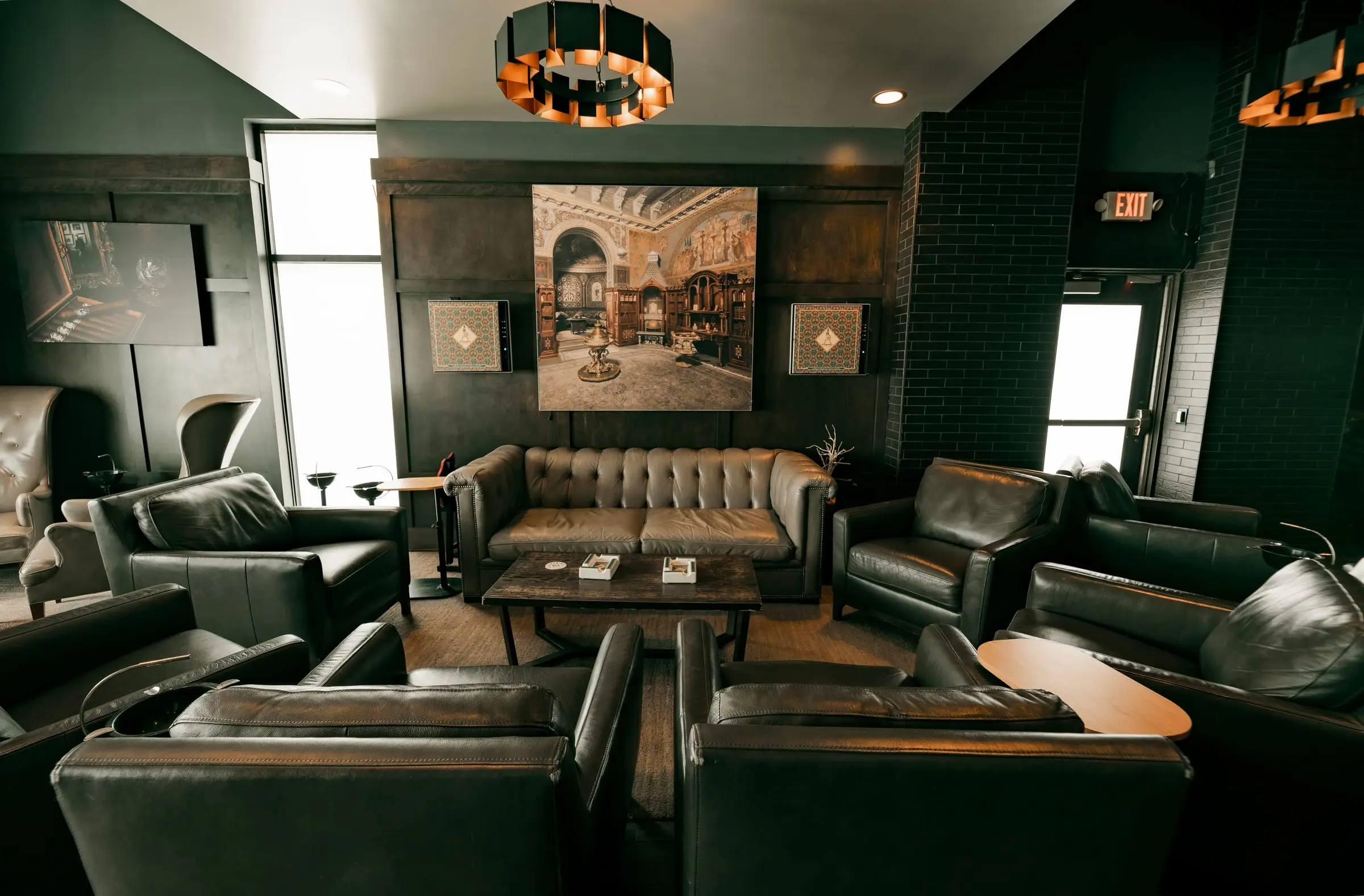
Have they worked rooms like yours? Discreet coverage of upscale rooms is my house specialty — I cover national cigar-brand events at premium Lincoln venues monthly, where the brief is explicitly "get everything, be invisible."
Can they prove the content performs? My flagship client, Capital Cigar Lounge, pulled 89,740 Instagram views in 90 days from my coverage — 38× their follower count. Reach beyond your own audience is the whole point of paying for professional content.
Who actually shows up? Larger outfits quote with the portfolio and staff with whoever's free. NVAR is owner-operated — I shoot and edit everything personally, and the work carries a 5.0 Google rating. The person you talk to is the person in the room.
Is the license and the timeline in writing? If either answer is vague, the invoice later won't be.
Book it
If you've got a conference, summit, or corporate event on the 2026 calendar, the cheapest mistake to avoid is booking late — good dates go first. Book a free 30-minute consultation and bring your run of show. I'll tell you exactly what coverage makes sense, what it costs, and what you'll have in hand the same week your event ends.