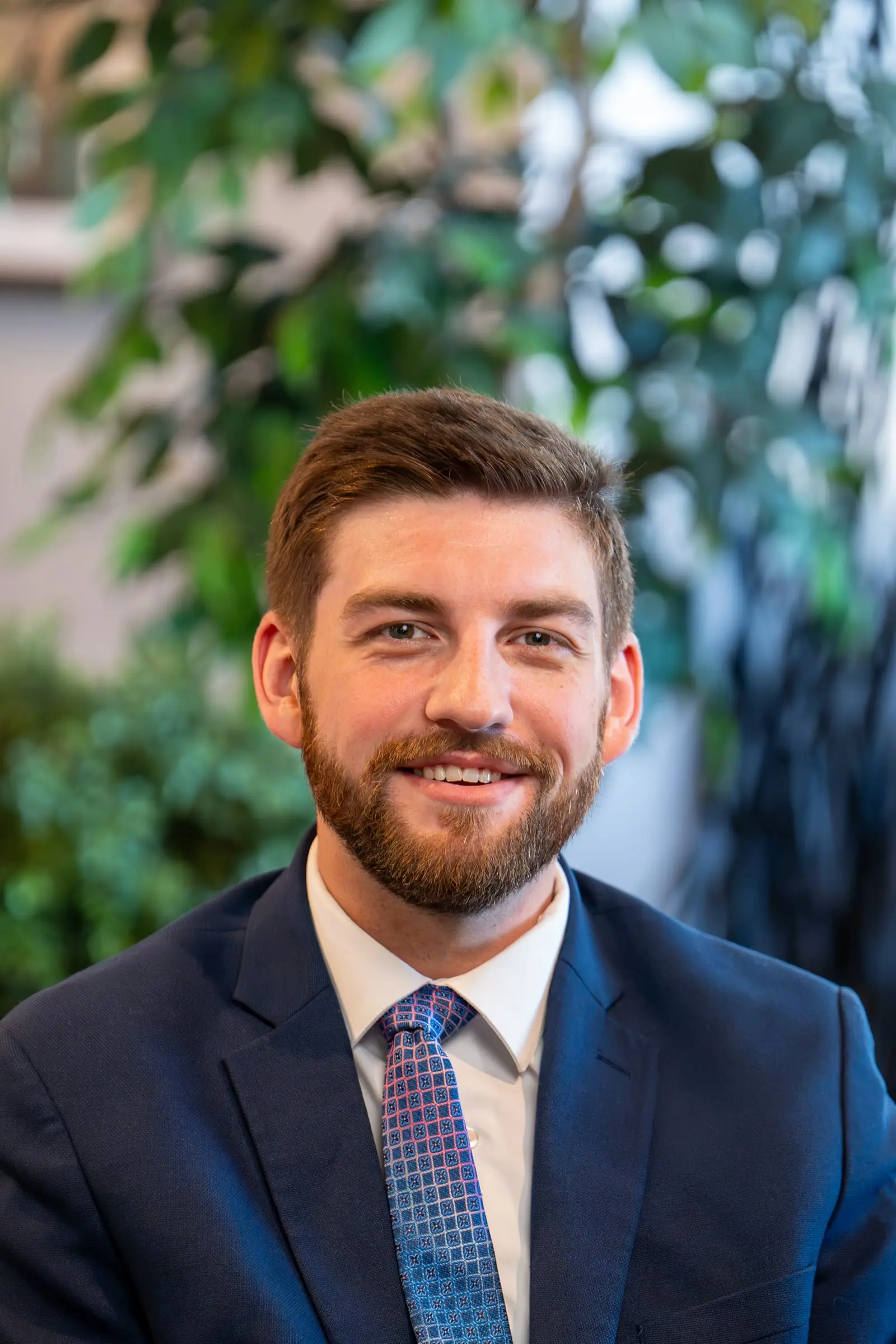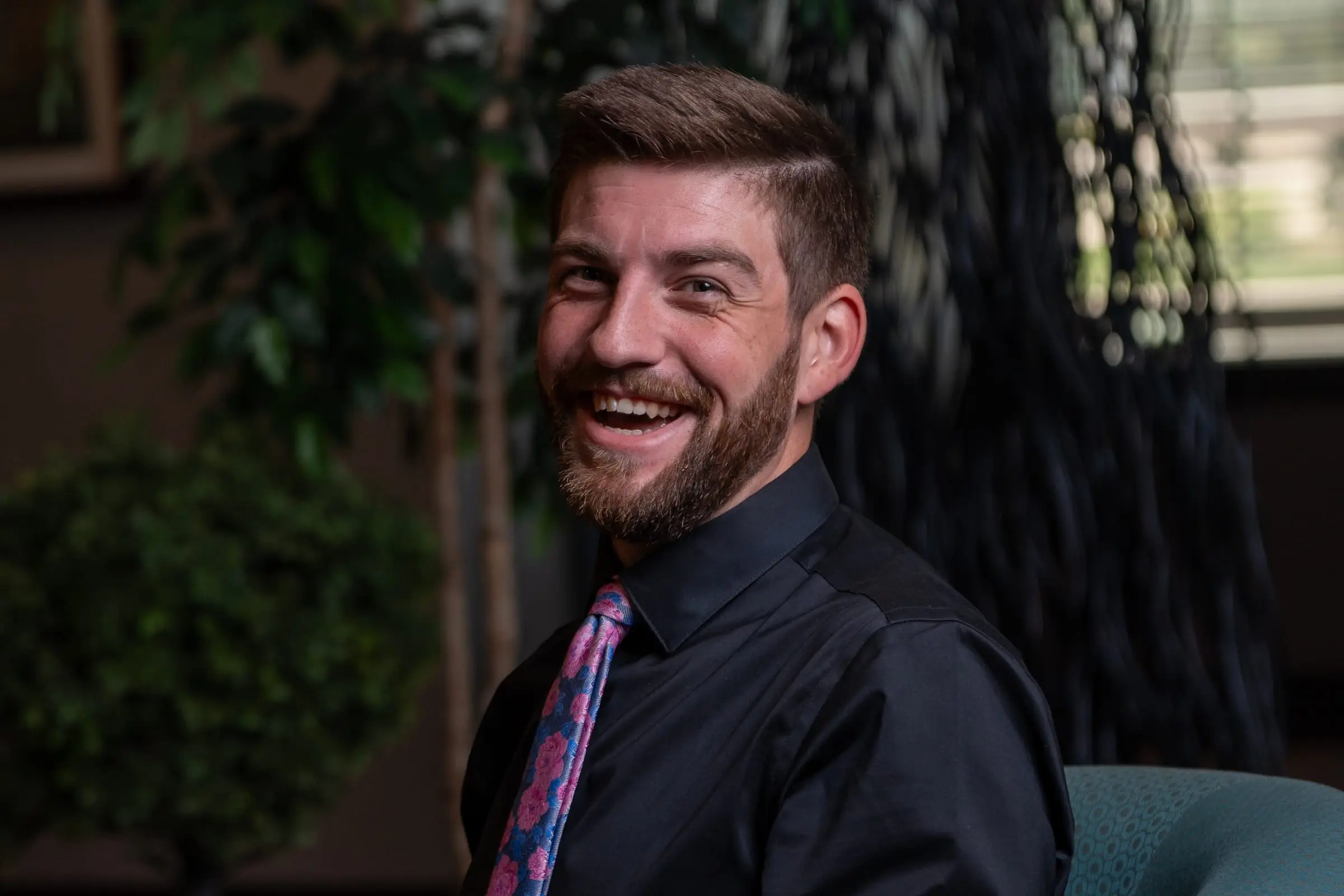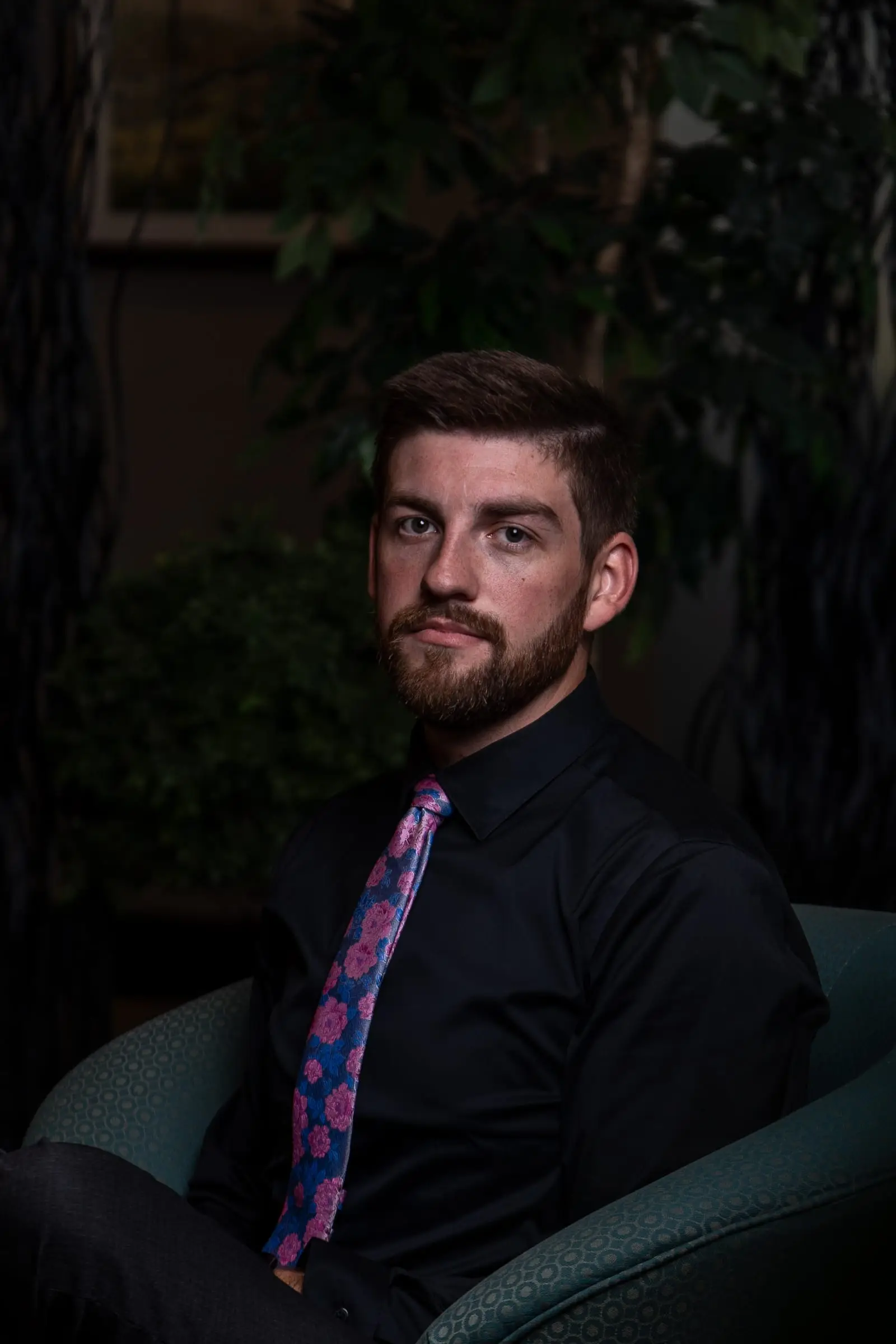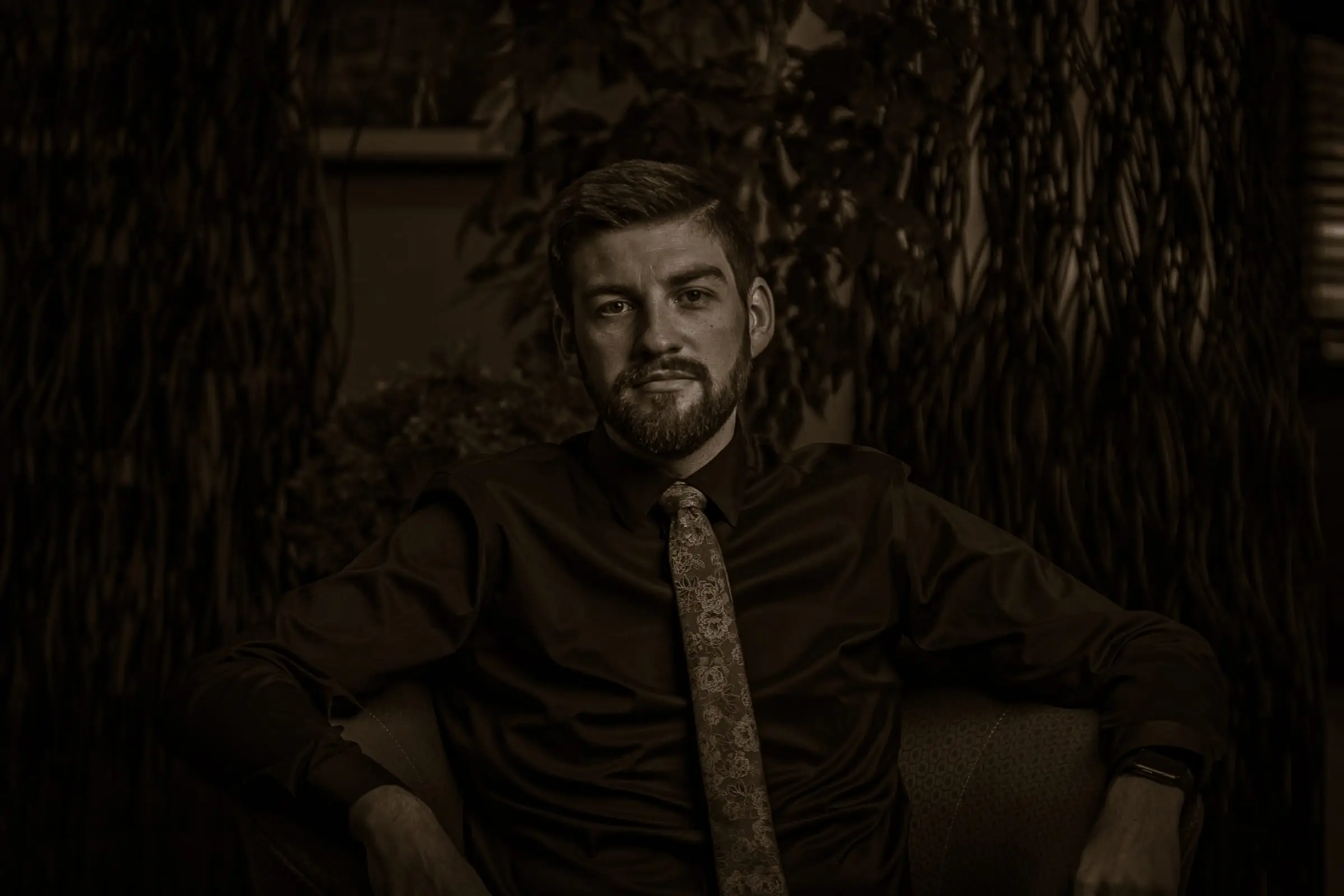
Nobody reads a headshot. They register it. About five seconds on your LinkedIn profile, less in a firm directory, and in that window a viewer takes in exactly three things: your eyes, your expression, and your clothing as a single block of color and texture. Two of those three are my job on the day. The third one is decided in your closet the night before, and it's the only part of the photo you control completely, for free, in advance.
So here's the guide I send clients before every session, written down once so I stop repeating it in every booking email. It's built for how I shoot — clean, warm, more cinematic than catalog — but the principles hold for any headshot you'll ever sit for, whoever's behind the camera.
The five-second rule
A headshot has one job: make a stranger comfortable starting a conversation with you. Everything below serves that. The clothing question is not "what looks impressive" — it's "what disappears correctly," so that the viewer's attention lands on your face and stays there.
That reframe does most of the work. Clothes that photograph well are quiet, structured, and slightly darker or richer than what you'd wear to the actual office. Clothes that photograph badly are loud, loose, or shiny — they pull the eye down and away from the only part of the frame that closes deals.
Color, by backdrop
Color advice without knowing the backdrop is astrology. Here's the actual logic.
On a white or light backdrop: go mid-tone or darker. Navy, charcoal, forest, oxblood, camel. A white shirt on a white backdrop turns you into a floating head, and pale pastels wash toward nothing under studio light. If you love a light shirt, anchor it under a darker jacket.
On a grey backdrop: the most forgiving square on the board. Jewel tones — deep teal, burgundy, sapphire — look expensive here, and navy is never wrong. The only real miss is wearing the backdrop: a medium-grey blazer against a medium-grey wall reads as a disembodied collar.
On an environmental background — your office, brick, the darker tones I shoot in-studio — warm neutrals carry the day. Cream, rust, caramel, olive, charcoal. My studio work leans warm and moody, so those tones sit in the light like they were built for it, because they were.
Two color warnings that apply everywhere. First, saturated neon anything — highlighter yellow, hot coral, electric blue — bounces its own color onto your jaw and neck, and no amount of retouching makes a green chin look intentional. Second, and this is Lincoln, so it comes up monthly: Husker red is a great gameday color and a hard headshot color. On camera it hums like a fire alarm and shifts skin tones pink. Wear it to the stadium. Bring the burgundy to the session.
Fit beats price
A $60 shirt that fits your shoulders photographs better than a $300 shirt that doesn't. Cameras exaggerate fabric behavior — extra material at the shoulders reads as slouch, a gaping collar reads as borrowed clothes, and anything oversized adds visual weight exactly where you don't want it.
Structure beats loose. Blazers, structured knits, collared shirts that actually button at the neck. Soft unstructured layers can work, but they need to be fitted soft, not laundry-day soft.
Matte beats shiny. Wool, cotton, matte knits, and linen photograph as texture. Polyester and satin photograph as glare. If a fabric catches light when you move in front of a mirror, it will catch my strobes twice as hard.
Necklines matter more than you think, because a headshot crop is tight. Crew necks and modest V-necks frame the face cleanly. Very wide or very deep necklines can crop strangely — at chest-up framing, a strapless or off-shoulder top can genuinely read as no top at all, which is a bolder personal-brand statement than most people intend.
And steam everything. The camera sees wrinkles you can't.
The industry cheat-sheet
Norms are real, and violating them should be a choice rather than an accident. The Lincoln versions, one line each:
| Industry | The safe default | The move |
|---|---|---|
| Law | Dark suit, white or light-blue shirt, tie optional by firm culture | Charcoal over black — black flattens under studio light |
| Finance & insurance | Suit or blazer, conservative palette | A deep-navy blazer with no tie now reads current, not casual |
| Medical & healthcare | White coat over professional attire, or solid scrubs | Bring both — coat for the directory, no-coat for everything else |
| Real estate | Blazer over a solid mid-tone | Approachable beats formal; skip the tie, keep the jacket |
| Tech & startups | Solid tee, henley, or knit under a casual jacket | Fitted and intentional — "casual" is a look, not an absence of one |
| Creative & marketing | Almost anything solid with texture | This is the one industry where a personality color earns its keep |
| Academia & nonprofits | Blazer or structured cardigan, softer palette | Texture (tweed, knit) photographs as warmth — use it |
If your industry isn't listed, borrow from the closest neighbor and dress for the job the photo has to do, not the one you do on casual Friday.
What to avoid
Five repeat offenders, in the order I see them:
- Busy patterns. Thin stripes and tight checks can moiré — an interference shimmer that no edit fully removes. Small florals turn to visual static at directory size. Solids win.
- Logos and graphics. Your headshot outlives your conference-swag quarter-zip. A visible logo dates the photo and quietly advertises someone else.
- Seasonal tells. A chunky turtleneck stamps "December" on a photo you'll still be using in July. Aim for clothing that could plausibly exist in any month.
- Straight-from-the-package creases. A brand-new shirt has fold lines across the chest that read like a tic-tac-toe board on camera. New is fine — new and washed and steamed is correct.
- Trend pieces. Whatever is extremely now will be extremely then in eighteen months. The photo should age slower than your wardrobe.
Glasses, facial hair, and makeup
Glasses: wear them if you wear them. A headshot without your everyday glasses fails the recognition test — people should look at the photo and see the person who walks into the meeting. Glare is my problem, not yours; light placement handles it. Anti-reflective coatings help, and if you have transitional lenses, know that studio strobes can tint them mid-session, so bring a regular pair if you have one.
Hair: book the haircut 1–2 weeks before the session, not the day before. Fresh cuts read severe on camera; a week of growth reads like you. Same rule for color touch-ups.
Facial hair: decide the length the day before and commit. Whatever you have, groom the edges — the camera treats a crisp neckline on a beard as intent and a fuzzy one as neglect.
Makeup: matte and natural, roughly one notch above your daily routine and two notches below a wedding. Shine control matters more than coverage — powder beats glow under strobes. One technical trap: some SPF products flash back ghost-white under studio light, so skip the heavy sunscreen on session morning. Skip anything with glitter or shimmer entirely.
Bring two outfits
Every session I shoot includes time for an outfit change, and I insist on it, because the second outfit wins more often than not. Not because the first choice was wrong — because by the second outfit you've stopped performing "person getting photographed" and started being a person. The clothes get the credit; the fifteen minutes of warming up did the work.
So bring two: your safe professional default, and the one that feels slightly more like you. A change takes ninety seconds against the session's 30 minutes, and it doubles your options when the gallery arrives — which, per the pricing breakdown I published on headshot costs in Lincoln, means ten color-graded selects delivered the same week.
One note for teams: if you're outfitting a whole roster for a company headshot day, don't issue uniforms. Give people a palette — "solid mid-tones and darks, no patterns, no logos" — and let them pick within it. The result reads cohesive instead of conscripted, which is the difference between a team page and a hostage video. Team details live on the executive and team headshot page.
The day-before checklist
Print this, or screenshot it and lose it in your camera roll like everyone else:
- Two outfits chosen, both solid or near-solid, both fitting at the shoulders
- Everything washed and steamed — no fold creases, no lint
- Haircut already done (1–2 weeks ago, not tonight)
- Beard/grooming decision made and executed
- Everyday glasses cleaned; backup non-transitional pair packed if you have one
- Makeup plan: matte, natural, no SPF-heavy products in the morning
- Lint roller in the car
- Water, real breakfast, and no new skincare experiments tonight
FAQs
What colors are best for professional headshots? Solid mid-tones and rich darks — navy, charcoal, forest, burgundy, warm neutrals like cream and camel. The best color depends on the backdrop: darker tones on white, jewel tones on grey, warm neutrals on environmental backgrounds. Avoid neon, saturated red, and wearing the same tone as the backdrop.
Should I wear a jacket for my headshot? If your industry defaults to one, yes — and bring it even if you're unsure, because a jacket takes 10 seconds to add and can't be added in editing. Shoot frames with and without; decide in the gallery.
What should you not wear in a professional headshot? Busy patterns, visible logos, shiny fabrics, brand-new unwashed shirts, seasonal pieces like heavy turtlenecks, and anything that gapes or slouches at the shoulders. When in doubt, solid, structured, and matte.
Closing
The honest answer on headshot wardrobe is that it's a floor, not a ceiling. The right outfit won't make the photo — expression and light do that — but the wrong outfit can quietly unmake it, and it's the one failure that's fully preventable from your closet the night before.
Your headshot will sit in front of more strangers than you'll ever meet. Give it clothes that get out of its way.
Shooting for a dating profile instead of LinkedIn? The wardrobe rules mostly hold; the differences are on our dating profile photographer page.
If you've got the outfits sorted and need the other half of the equation, the full session details are on the Lincoln headshot photographer page — and if you'd rather just talk it through, the consultation is free, thirty minutes, no pitch:
— Nvar