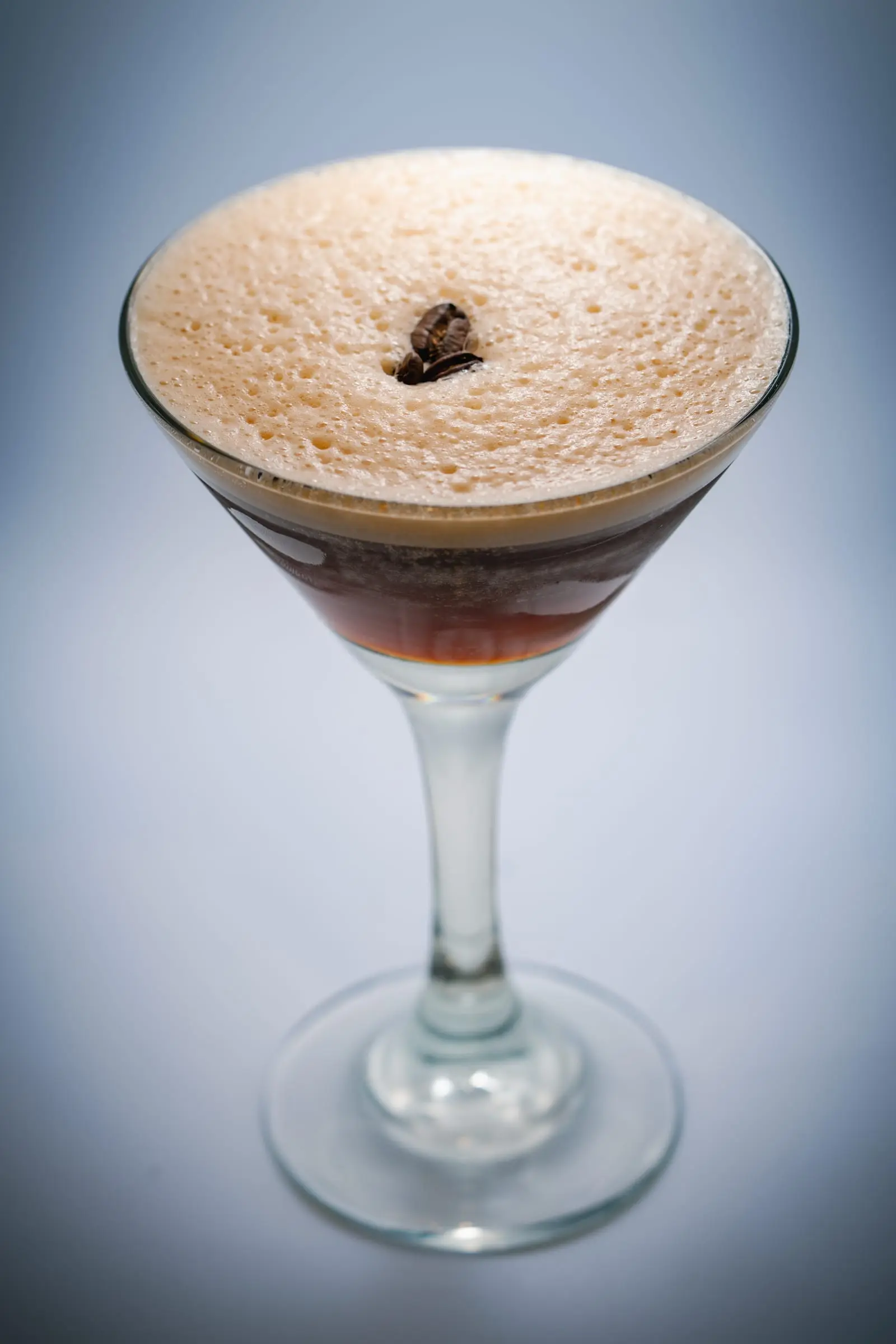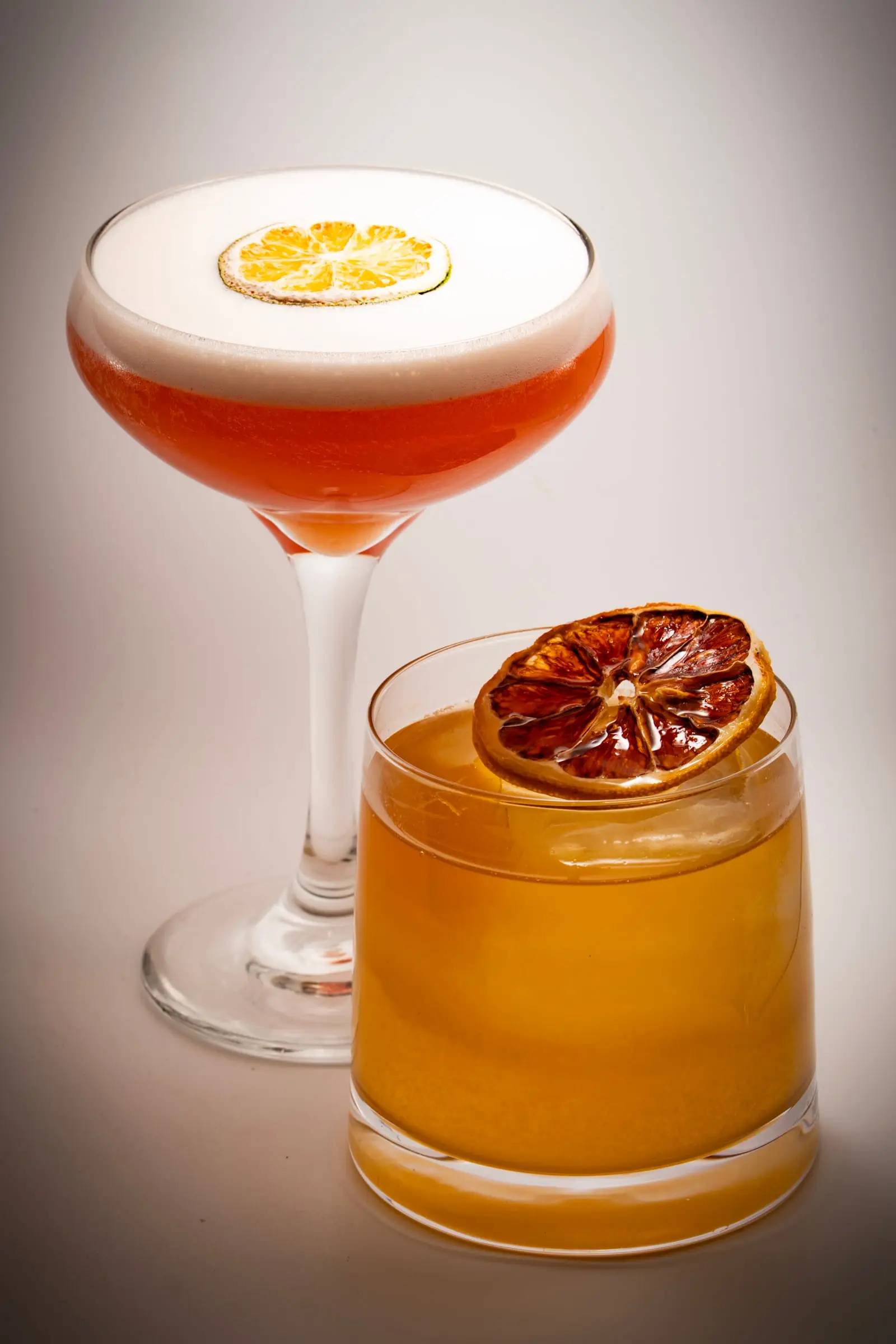
Every restaurant owner I talk to asks the price question the same way — sideways, near the end, like they're bracing for it. Fair. This market trains you to brace. Half the photographers in Lincoln won't publish a number, and the other half quote "starting at" figures that evaporate the moment you mention you'd also like the dining room shot, not just the burger.
So here's the guide I wish existed when owners started calling me: what restaurant and food photography actually costs in Lincoln in 2026, how the pricing models work, what a menu shoot really involves, and when a one-time shoot is the right call versus a monthly engine. No pitch required to read it. The goal is that you can get quotes from anyone in town and know exactly what you're comparing.
The short answer
Restaurant photography is commercial photography, and Lincoln's commercial market in 2026 breaks into recognizable bands:
| Tier | Typical Lincoln 2026 range | What it usually buys |
|---|---|---|
| Starter / side-hustle | $500 – $1,200 | A few hours, minimal styling, basic edit, rights often unclear |
| Standard professional | $1,500 – $3,500 | Half-to-full production day, real lighting, color grading, commercial license |
| Established studio | $3,500 – $7,500 | Multi-day or multi-location, styling support, full content library |
| Agency-grade | $7,500 – $20,000+ | Crew, producers, campaign strategy — built for chains, not independents |
Most Lincoln independents belong in the $1,500 – $3,500 band, or below it if the scope is tight. For reference, NVAR's rates sit deliberately at the accessible end: a single-session restaurant shoot starts at $750 (a half production day, about four hours), a full day is $1,100, both delivered color-graded within two weeks with a commercial license included. An atmosphere-focused venue shoot also starts at $600. The full menu of scope lives on our commercial photography page.
Anything dramatically cheaper than $500 is usually someone's phone and a prayer. Anything dramatically higher should come with a very specific explanation of what the extra money produces.
The three ways photographers price this
Every quote you'll get in Lincoln uses one of three models, and knowing which one you're looking at explains most of the spread.
1. Hourly. Simple, and fine for tiny scopes — a dozen frames of the new patio, say. The catch is that food photography is slow in ways an hourly number hides. If the quote is $150/hour and the shoot "should take two hours," ask what happens at hour four when the kitchen is still plating dish nine. Hourly pricing puts the overtime risk on you.
2. Per-dish. Common in big-city product studios: a fixed rate per final approved image. It's predictable, but it quietly punishes ambition — every appetizer you add is a line item, so owners cut the shot list to save money and end up with a gallery too thin to run a season of marketing on.
3. Half-day and full-day packages. This is how most working Lincoln pros price, and it's the model I'd push you toward regardless of who you hire. You're buying a block of production time and everything it yields — dishes, drinks, interiors, staff, details. A well-planned full day produces a library, not a folder.
Whatever the model, get three things in writing: the number of final edited images, the delivery timeline, and what you're licensed to do with the files. More on that third one below, because it's where cheap quotes get expensive.
What a menu shoot actually involves
Owners routinely budget an hour for fifteen dishes. Here's why it's four.
Every dish that looks effortless in a photo was plated for the camera, not the pass. That means the kitchen fires each item fresh — food photographs well for a window of a few minutes before sauces skin over, cheese sets, and greens wilt. Each dish gets positioned, lit, angled, shot, checked, and often re-plated once because the first version read fine to the eye and flat to the lens. Ten to fifteen minutes per dish is the honest pace for work you'd actually put on a menu, and that's with a kitchen that's ready for you.
This is also why the "quick shots during Friday service" idea fails. Your line cooks are cooking for tables, not for a camera, and the camera can tell. The best menu shoots run in the dead zone — a Tuesday afternoon between lunch and dinner, kitchen firing one dish at a time, chef standing next to me approving each frame before we move on. Two hours of that beats six hours of chaos.
The room sells the reservation
Here's the part most food-photography quotes leave out entirely: nobody books a table because of a close-up of short ribs. They book because of the room — the light at the bar, the corner booth, the Friday-night texture of the place. The dish photo confirms the decision; the atmosphere photo causes it.
That matters for your quote in two ways. First, ask every photographer whether interior and atmosphere coverage is included or a separate line — a full production day should comfortably cover both the menu and the room. Second, understand that dark restaurants and bars are a genuine technical problem. Warm, moody, low-lit rooms are exactly what phone cameras and inexperienced shooters flatten into orange mud. Shot properly, that darkness is the aesthetic — it's most of what we do for hospitality venues, and it's a lighting and color-grading skill, not a filter.
The ROI math
Skip the vague "great photos build your brand" talk. Run your own numbers instead.
Take your average ticket. Say it's $55 for a party of two. A $750 half-day shoot pays for itself with fourteen extra tables (twenty-eight covers) — total, not per week. If a year of better photos on your Google Business Profile, your delivery-app listings, your menu, and your Instagram can't be credited with fourteen tables, the photos failed, and so did the listing they sat on.
And the photos sit everywhere a hungry stranger makes a decision. Google Business Profile photos are the first thing a "restaurants near me" search shows. Delivery apps are photo menus — on DoorDash your image is the dish, competing in a scroll against every kitchen in Lincoln. A listing with a dark phone photo of a to-go box is handing orders to the restaurant one thumb-flick down.
One-time shoot vs. monthly retainer
A one-time shoot is right when the need is fixed: a menu launch, a website rebuild, an opening. Shoot the library, use it for a year, done.
The case for a retainer is that feeds decay and menus change. Our hospitality retainers start at $1,500/month for a planned cadence of shoots, Reels, and photography — the model we run for Lincoln venues, and our portfolio includes ongoing work for venues like Capital Cigar Lounge. In a recent 90-day window, the account pulled 89,000+ views with a 4× lift in top-post engagement, and 53% of all views came from non-followers — new customers, not regulars. The full breakdown, including what worked and why, is in the 90-day playbook post.
The honest dividing line: if your menu is stable and your social presence is genuinely handled in-house, buy the one-off. If your feed went quiet three weeks ago and your specials change monthly, per-deliverable a retainer costs roughly half the one-off rate — and the cadence is worth more than the discount.
Usage rights, in plain English
This is the trap. Some photographers — including cheap ones, which is how they stay cheap — quote you a shoot fee and keep the commercial rights. Then the menu reprint, the billboard, the DoorDash upload each trigger a "licensing fee" you never saw coming. It's a market practice you can decline. Before you book anyone, ask one question: "Can I use these images anywhere — menus, ads, delivery apps, print — without paying again?" If the answer is vague, that's the answer.
Our commercial work includes the commercial license in the day rate. Whoever you hire, get the equivalent sentence in writing.
How to prep your kitchen for shoot day
Print this and hand it to whoever runs your line:
- Lock the shot list a week out. Dishes, drinks, and the two or three "hero" items that define the menu. Rank them — energy is highest early.
- Schedule the dead zone. Tuesday or Wednesday, 2–5 p.m. No service pressure.
- Fire one dish at a time, plated as if for the most important table of the year. Fresh herbs, clean rims, real garnish.
- Pull your best plateware and glassware. Chipped rims read instantly on camera.
- Have the chef present. Ten seconds of approval per frame prevents a week of reshoot emails.
- Turn on the room. Every lamp, candle, and neon sign — the ambient light is the atmosphere we're there to photograph.
A prepared kitchen gets meaningfully more finished images out of the same day. Not because the camera works faster. Because nobody's hunting for a clean fork at 3:40.
FAQs
How much does restaurant photography cost in Lincoln? Market rates run from about $500 at the starter end to $3,500 for a standard professional engagement, depending on scope. NVAR's single-session restaurant shoots start at $750 (a half production day), a full day is $1,100, with color grading and a commercial license included.
Do you style the food? We art-direct plating with your kitchen on set — angles, garnish, sauce placement. For elaborate campaign work, a dedicated food stylist is a separate hire; most Lincoln menu shoots don't need one.
Can we shoot during service? Atmosphere and candid coverage, yes — a full room is the best prop there is. Menu dishes, no. Those get shot in the off-hours window, one plate at a time.
How fast do we get the photos before a menu launch? Our standard commercial delivery is within two weeks, color-graded. If your print deadline is tighter, say so at booking, not after the shoot.
Who owns the images? You get a commercial license to use them everywhere — menus, ads, delivery apps, print. Confirm the same before hiring anyone else, in writing.
The dining room you built is already doing the hard part. The photos just have to stop underselling it.
→ Book a free consultation — bring your menu, leave with a real number either way.
— Nvar