Buyers don't tour your house first. They scroll it.
Before anyone stands in your entryway, they've flicked through your listing on a phone, giving each photo maybe two seconds before deciding whether to keep going. The same house — same square footage, same street — photographs like two different price points depending on what happened in the 48 hours before the shoot. One version says "move-in ready." The other says "project," and the buyer is already looking at the next listing.
Here's the part that should get your attention: prep costs nothing. It's the highest-return free work in the entire sale. When I walk into a home to photograph it, I can tell within ten seconds whether the seller got this memo. This post is the memo — the checklist I want in every seller's hands before a photographer shows up with a camera.
Why prep matters more than you think
A camera is crueler than your eyes. Your brain edits out the cereal boxes on the counter and the cord tangle behind the TV because you've lived with them for years. A wide-angle lens does the opposite — it makes small rooms feel bigger, which is good, and makes clutter louder, which is not. Every object in frame becomes a decision the buyer has to process, and buyers processing decisions stop scrolling.
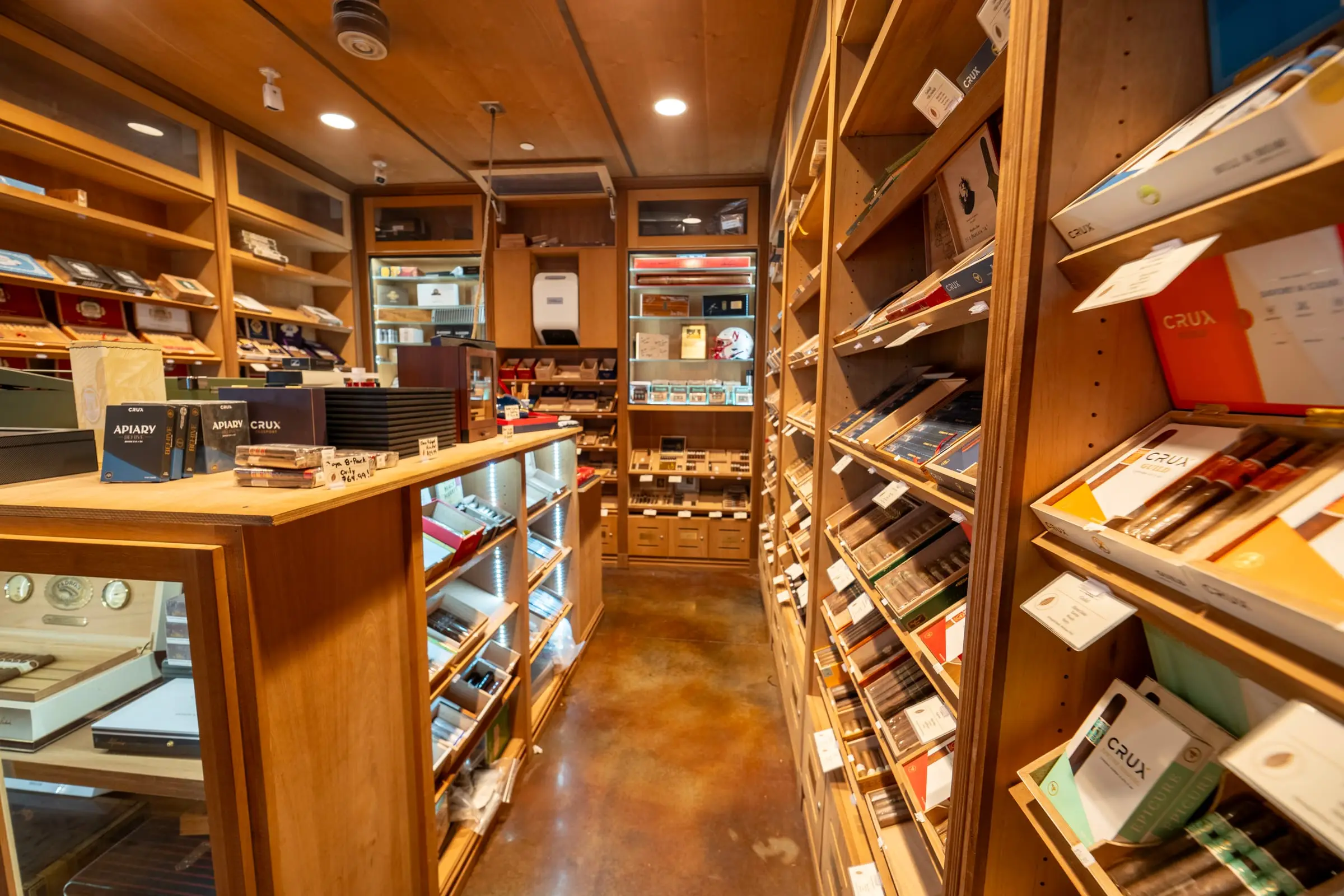
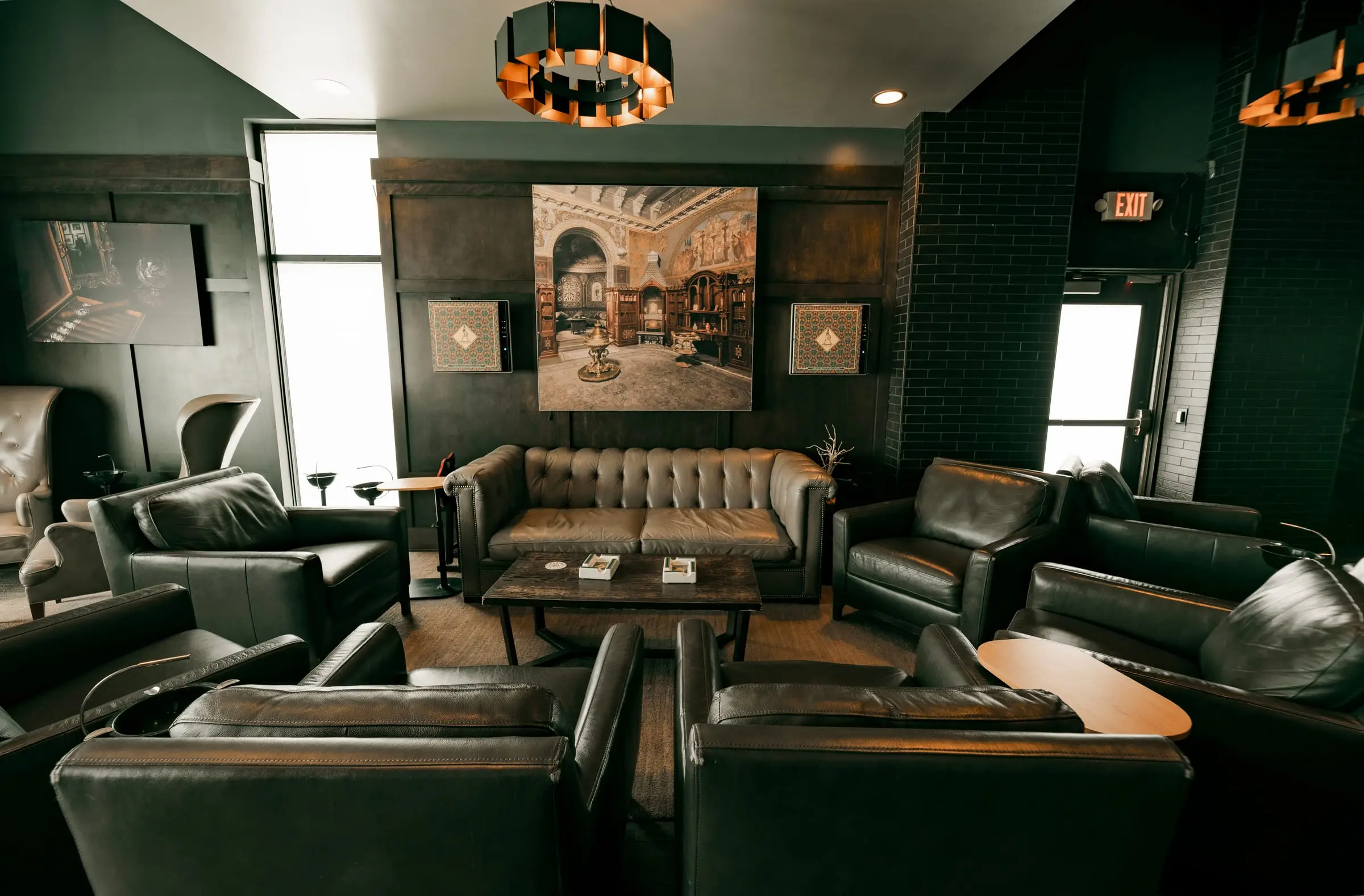
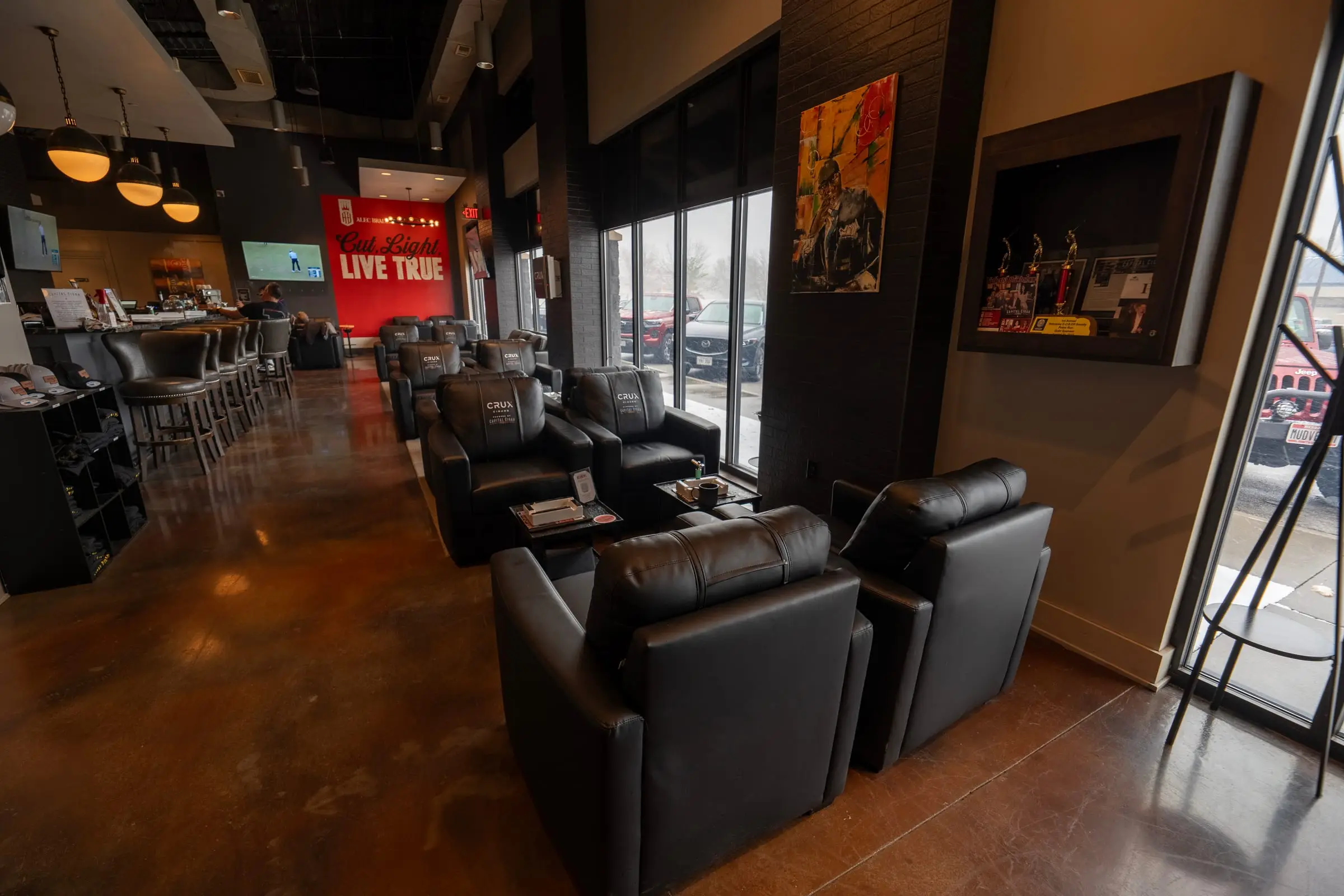
I shoot listings with HDR-bracketed exposures — multiple shots blended so the windows aren't blown out and the corners aren't black caves. The cover image on this post is from our interior portfolio (our venue work includes Lincoln spots like Capital Cigar Lounge), and it's the same exposure-blending process I'd bring to your living room. But HDR fixes light. It does not fix a countertop full of small appliances. That part is on you, and it's the part this checklist handles.
The 48-hour timeline
Don't try to do everything the morning of. Here's how it actually breaks down.
Two days out:
- Deep clean, or hire it out. Floors, windows, mirrors. Glass shows everything.
- Declutter into boxes and move the boxes to the garage, the basement storage room, or your car trunk. I don't photograph garages on most standard shoots — that's your staging warehouse for the day.
- Walk each room and remove roughly a third of what's in it. Yes, a third. The room will feel empty to you and normal on camera.
Day before:
- Replace every burned-out bulb. More on this below — it matters more than almost anything else on this list.
- Wash and swap in your best linens: bath towels, hand towels, bedding.
- Mow, edge, and sweep the walk. Nebraska grass grows fast in summer; two-day-old mow lines still read as fresh, five-day-old ones don't.
Morning of:
- Dishes out of the sink and out of sight. Dish rack put away entirely.
- Beds made tight — hotel tight, not teenager tight.
- Every car out of the driveway and away from the front curb.
- All lights on, all blinds set (angle below), all ceiling fans off — spinning blades photograph as blur.
- Pets and their gear stashed: bowls, beds, litter boxes, the 40-pound bag of food by the back door. A buyer who loves dogs still doesn't want to see evidence of yours.
Room by room — the three highest-impact items each
Kitchen. Counters at 90% empty (keep one intentional item — a bowl of fruit, a plant, a coffee maker if it's handsome). Everything off the refrigerator: magnets, drawings, the school calendar. Sink empty and dry, sponge hidden.
Living room. Cords and remotes invisible — behind furniture, in a drawer, anywhere but the frame. Throw pillows straightened and reduced to a few, not a pile. Mantles and shelves thinned to a handful of objects each.
Bedrooms. Bed made with the duvet pulled square. Nightstands cleared of everything but a lamp and maybe one book — no chargers, no water glasses, no medication. Closet doors closed, and if the closet will be photographed, floor visible.
Bathrooms. Counters completely bare — this is the one room where 100% beats 90%. Toilet lids down, always. Shampoo bottles, razors, and the loofah out of the shower and tub; fresh towels folded in thirds on the bars.
The rule photographers actually use: 90% empty
Every staging article says "declutter," which is advice the way "eat better" is advice. Here's the operational version: every flat surface at roughly 90% empty. Counter, dresser, desk, mantle, coffee table. One or two intentional objects per surface, nothing else.
Two additions most sellers miss:
- Personal photos come down. Partly privacy — your listing photos live on the public internet indefinitely — but mostly psychology. Buyers need to project their own life onto the rooms, and that's harder when your family is watching them from the hallway wall.
- Cords are the tell. Nothing marks a listing photo as amateur faster than a power strip octopus under the desk. Thirty seconds with a twist tie fixes what no amount of editing gracefully can.
Lighting prep — the ten-dollar upgrade
If you do exactly one thing on this list, do this: every bulb working, and every bulb matched.
A dead bulb in a five-light fixture reads as deferred maintenance. Worse is the mixed-temperature room — one warm yellow bulb and one blue-white daylight bulb in the same fixture makes half the room look like a sunset and half like a dentist's office, and it is genuinely difficult to correct in editing. Pick one temperature (soft white, 2700–3000K, flatters most Lincoln housing stock) and match the whole house. It costs about the price of a pizza.
I shoot with the lights on. Some photographers go lights-off and window-light-only; for the bright, warm, move-in-ready look that sells in this market, on wins. Blinds get angled half-open, slats tilted slightly down — that pulls in daylight without giving the camera a direct view of your neighbor's trash cans. The HDR process blends the window exposure with the room exposure so you keep the view and the warmth.
Curb appeal in 30 minutes
The exterior photo is the handshake — it's the first image on the MLS and usually the thumbnail on Zillow. You don't need a landscaping crew. You need half an hour:
- Cars out of the driveway and off the curb in front of the house. An empty driveway photographs bigger.
- Trash and recycling bins in the garage, not beside it.
- Hose coiled or hidden. Kids' toys, gone. Doormat straightened or replaced if it's toast.
- Front door wiped down and porch light working — twilight exteriors, if we schedule one, live or die on that porch light.
- Seasonal quick wins: October in Lincoln means raking within a day of the shoot; winter means shoveled and salted walks with clean edges; summer means watering the pots the night before so nothing droops on camera.
What NOT to bother with
Sellers regularly spend money on things the camera doesn't care about. Save it.
- Repainting the whole interior. Touch up scuffs in the main rooms, sure. A full repaint delays your listing weeks for a difference that reads as marginal on camera. Exception: one very dark or very loud accent wall in a main living space — that one's worth a Saturday.
- Renting staging furniture for a typical Lincoln home. Full professional staging can make sense at the top of the market. For most listings here, your own furniture, thinned out and arranged, photographs fine. An empty-but-clean room beats a badly staged one.
- Landscaping overhauls. Fresh mulch, mowed lawn, trimmed bushes — yes. New plantings that need a season to look established — no.
- Renovation projects started the week before listing. A half-finished backsplash photographs worse than the dated-but-clean original. Finish it or don't start.
The honest rule: if it takes longer than 48 hours or costs more than a few hundred dollars, ask your agent whether it changes the list price. If it doesn't, it doesn't belong on this checklist.
Want this as a one-page printable?
Agents: this whole post condenses onto a single page. Email nvarstudios@gmail.com with "seller checklist" and I'll put together a printable one-pager you can hand to sellers before every shoot — use it with any photographer you like, whether you book NVAR or not. If you link to this post from your site or seller packet, even better, but there's no catch either way.
For agents — how a listing shoot with NVAR works
The short version: you send the address, we handle the rest.
| Base rate | $175 for homes up to 2,500 sq ft; larger homes scale up |
| Deliverables | 25+ HDR-corrected images, MLS-ready (1920×1280 or larger, JPEG) |
| Turnaround | 24 hours — edited, color-graded, in a download link |
| On-site time | 60–90 minutes for most homes |
| Extras | Twilight exteriors if scheduled; walkthrough video and vertical Reels for higher-end listings |
| Volume | Agents booking 3+ listings a month get a per-listing discount |
Full details live on the Lincoln real estate photography page and the investment page. If you shoot a lot of listings and want a standing arrangement, reach out and we'll set terms once instead of negotiating every address.
FAQs
How long does a real estate photo shoot take? 60–90 minutes on-site for most Lincoln homes. Larger properties or twilight add-ons run longer.
How fast do I get the photos? 24 hours for standard listings — edited, MLS-ready, delivered as a download link.
What does listing photography cost in Lincoln? NVAR's base rate is $175 for homes up to 2,500 sq ft, including 25+ HDR-corrected images. Larger homes scale up, and high-volume agents get discounted per-listing rates.
Should the seller be home during the shoot? Ideally, no. An empty house shoots faster and cleaner — no re-staging rooms as people move through them. If the seller needs to be there, one person who stays a room ahead of me works fine.
Lights on or off for the photos? On. Every fixture, every lamp, matched bulb temperatures throughout. It's the cheapest upgrade on this entire list and the one I notice first.
One last thing, because sellers sometimes treat photo prep as vanity: it isn't. Most buyers will walk through your house dozens of times on a screen before a single showing gets booked, and plenty will rule it out — or fall for it — without ever touching the doorknob. The photos are the first hundred showings. Two days of prep is what they cost.
— Nvar