Most small business owners in Lincoln book a brand photographer once. They hire whoever Instagram recommends, get a folder of files back, drop a few onto the website, and a year later realize the photos already look dated — and that they have no idea whether they overpaid or underpaid for the result.
This guide is the one I'd want if I were on the other side of the table. How to choose a brand photographer in Lincoln, Nebraska without the marketing fog. What separates genuinely useful brand work from the filler that fills most small-business websites. The red flags in a portfolio that almost no one notices. The price brackets, with real numbers. And the eight questions to ask before you hand anyone a deposit.
It's written for three audiences specifically — small business owners booking their first or second round of brand photography, marketing managers at mid-size Lincoln/Omaha companies assembling a photography line item for the annual marketing budget, and agencies vetting a photographer to bring in as a partner on client work. The framework is the same. The price points and stakes are different.
What "brand photography" actually means
The phrase has gotten loose. "Brand photography" used to mean editorial product and lifestyle imagery for a company's marketing. Now it means anything from polished headshots to behind-the-scenes phone shots, depending on who's selling. Before you can hire well, you need to know what you're actually buying.
For a real commercial brand photography engagement in Lincoln in 2026, the deliverables typically include some mix of:
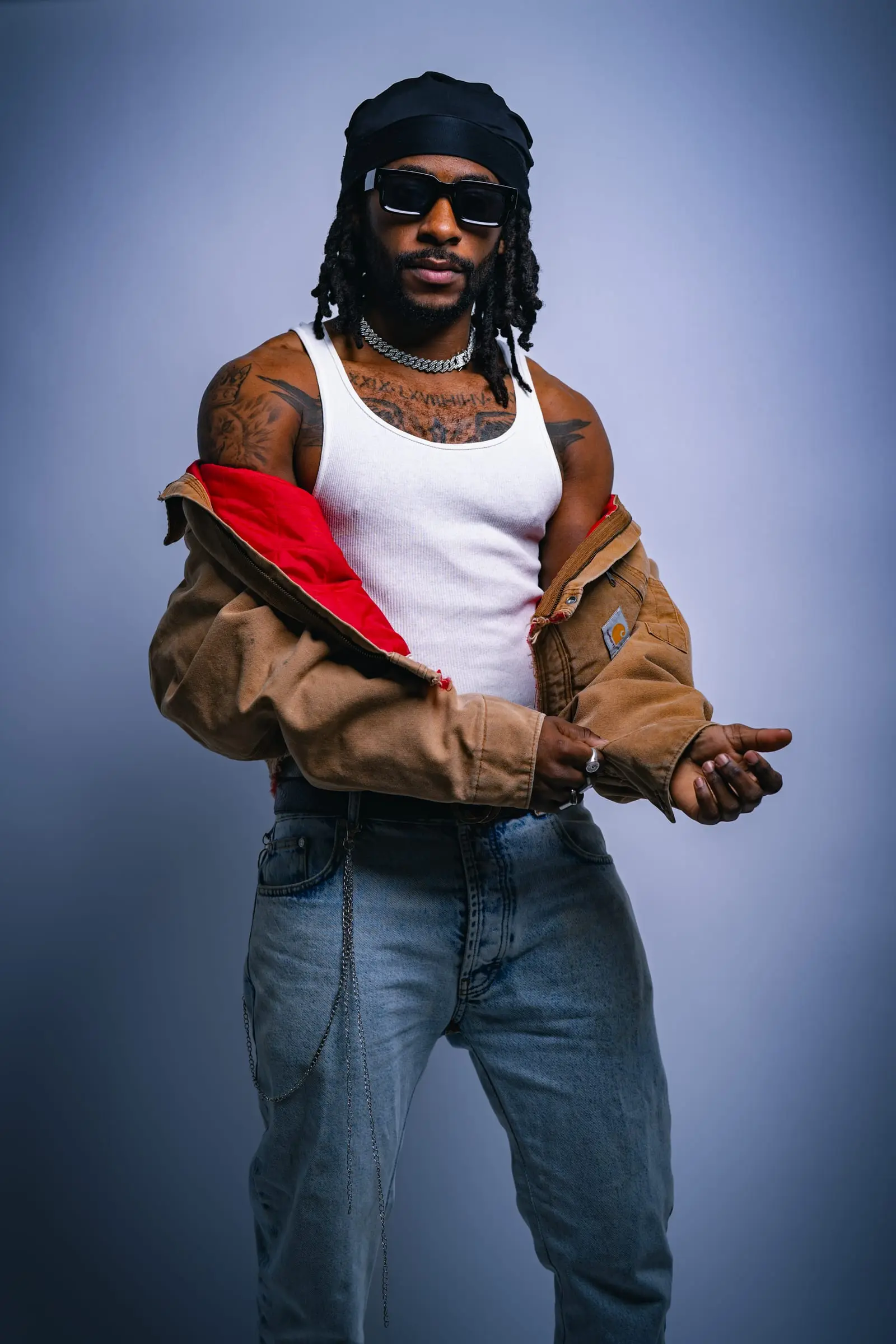
- Brand portraits — the founder, the team, the people behind the business, shot in a way that matches the brand's visual language.
- Environmental shots — the office, the studio, the storefront, the workshop. Context shots that show the business as a place.
- Product / service shots — what you sell, photographed in use or in setting (not flat-lay-on-white catalog product, which is a different specialty).
- Behind-the-scenes / process imagery — how the work gets made. Often the most-used images in marketing, the most-overlooked at the booking stage.
- Lifestyle imagery — the brand applied to a moment. Customers using the product, staff in the space, the room at the right time of day.
A good brand photography engagement delivers a library — 80 to 200+ images, organized for use across web, social, print, and ads, with consistent color grading and intentional negative space for text overlay. A weak engagement delivers a folder of 40 unrelated images that look like the photographer photographed a different brand in each frame.
The difference between those two outcomes is almost entirely the photographer. Not the camera, not the budget, not the location. The photographer.
What separates great brand photography from filler
Five things, in order of how much they matter.
1. Visual coherence across the gallery. The single biggest signal of professional brand work is that 80 images look like they belong to the same brand. The color is graded into a single palette. The contrast is consistent. The light has a recognizable signature. The compositions vary but share a visual logic. Filler brand photography looks like a stock-photo grab bag — every image edited differently, every frame styled like a different studio shot it. Coherence is the entire job.
2. Strategic negative space. Brand photos exist to support marketing, and marketing needs room for text. A photographer who shoots every frame center-composed and tightly cropped delivers work that's beautiful to look at and useless on a landing page. A photographer who shoots with text overlay in mind delivers a library the marketing team can actually use for two years.
3. Real direction. Most subjects look uncomfortable on camera. A great brand photographer fixes that with calibrated direction — they know how to put a CEO at ease in 90 seconds, how to make a team look like a team and not a hostage video, how to photograph a process without staging it into a commercial. Filler photographers hand the subject a coffee mug and shoot.
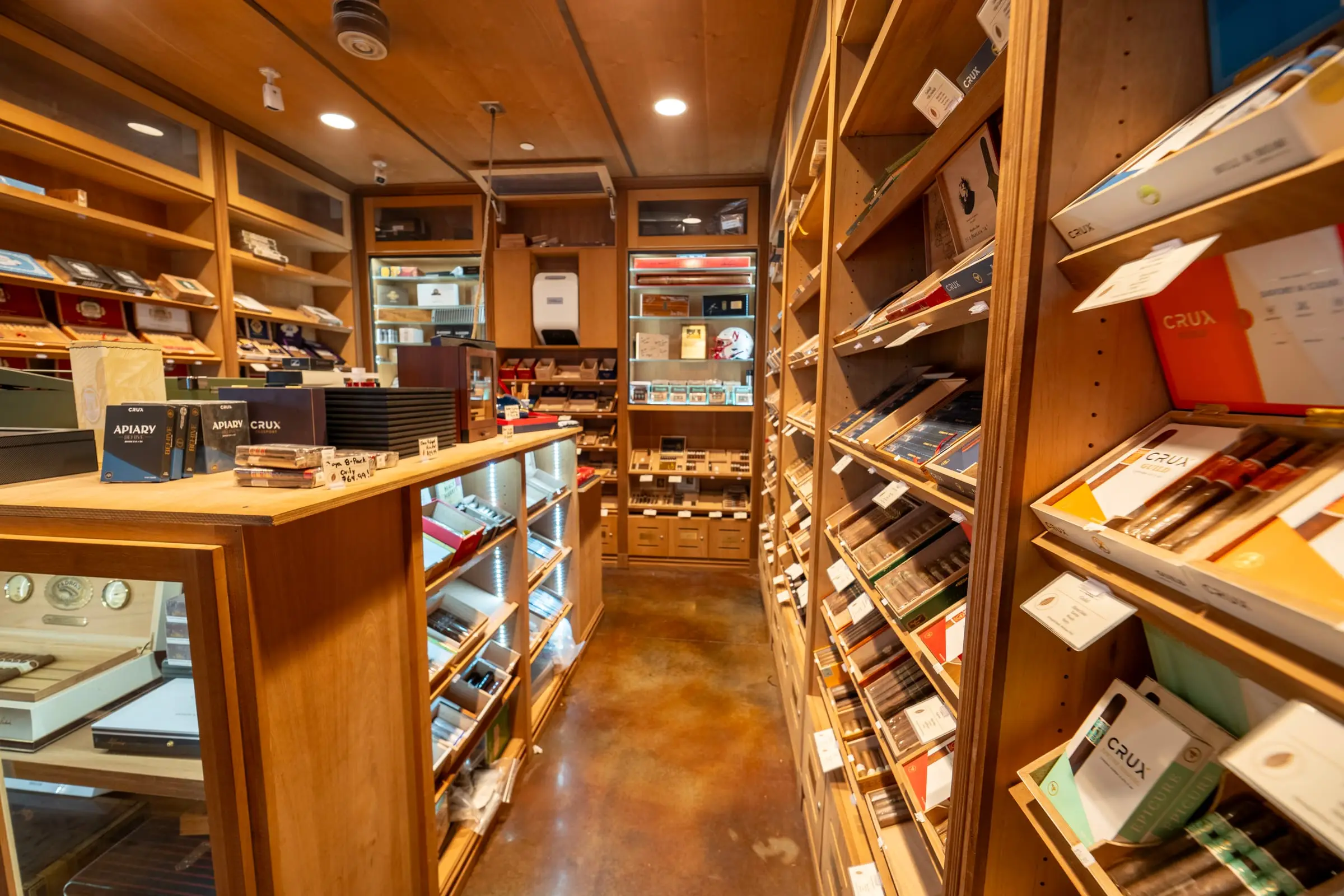
4. Light that does the brand's job. A bright, optimistic SaaS brand needs bright, optimistic light. A dark-luxury cigar lounge needs cinematic, low-key light with practical sources doing the work. A photographer who shoots every brand with the same lighting style — typically high-key, even, "clean" — is delivering a single product to every client regardless of fit.
5. A deliverable workflow that fits how marketing actually works. Real brand engagements produce galleries organized by use case — web hero, social square, social vertical, blog header, print, ads. Each shot delivered in multiple crops. Selected hero images delivered in TIFF for retouching, JPG for web, WebP for performance. A photographer who delivers a folder of 400 numbered JPEGs has handed you a homework assignment, not a marketing asset.
If a photographer's portfolio shows those five things consistently, you're looking at a real one. If it shows two or three but not the others, you have an emerging photographer who'll do good work in the right scope. If it shows none of them, scroll on.
Portfolio red flags
The flip side. These are the patterns I'd walk past as a marketing buyer.
- Every gallery in a different style. The photographer's wedding work, headshot work, real estate work, and "brand" work all look like different photographers shot them. They're chasing whatever pays this month. There's no visual conviction.
- No before-and-after of a real client engagement. If the portfolio shows only the final hero shots and never the breadth of a single project — the team portraits, the office, the process, the product, all together — you're seeing greatest-hits from many shoots, not the actual deliverable of any one.
- Heavy reliance on stock-style filters and presets. Brown-and-teal Instagram preset on every frame, regardless of brand. Tells you the editing is recipe-driven, not brand-driven.
- Subjects who look like they hate being on camera. The photographer didn't direct. They pressed the shutter and hoped.
- No website, only Instagram. Instagram is a fine sample. A real commercial photographer also has a portfolio site, a contact form that works, a contract template they can send the same day. If the only way to book is to DM, you're booking a hobbyist.
- Pricing only available "upon inquiry," with no published bracket whatsoever. Some opacity is normal in custom work. Total opacity ("nothing is published, every project is custom") is usually a tell that prices fluctuate based on what the photographer thinks you'll pay.
- No commercial usage license language in the contract. This is the silent disaster — see "deliverables and licensing" below. A photographer who hands you photos without specifying what you can use them for has handed you a future legal headache.
A portfolio with even one of these red flags isn't automatically disqualifying. Two or three together is the universe telling you to keep looking.
What brand photography actually costs in Lincoln, NE
Lincoln in 2026, by bracket. These are full-engagement numbers — a real brand shoot with multiple deliverables, not single-product or single-headshot work.
| Tier | Lincoln 2026 range | What it usually includes |
|---|---|---|
| Starter | $500 – $1,200 | 2–3 hour single-location shoot, 25–50 final images, single use case (often headshots only or product only) |
| Standard small-business | $1,500 – $3,500 | Half-day shoot, 60–120 final images, brand portraits + environmental + a use-case category, basic commercial license |
| Established mid-market | $3,500 – $7,500 | Full-day or multi-day, 120–250 final images, full library across portraits / environment / product / lifestyle, broad commercial license, multi-format delivery |
| Agency-grade / production | $7,500 – $20,000+ | Multi-day shoot, full creative direction, stylist, hair-and-makeup, location scouting, production crew, model talent, exclusive usage |
Where most Lincoln businesses actually land:
- Solo founders and first-year businesses: usually starter or standard small-business ($500–$3,500). Get the founder portrait, the office, the product. Don't overshoot the library if the website doesn't exist yet.
- Established small-to-mid business (10–50 employees): standard or established ($1,500–$7,500). Real library. Refreshed annually or every 18 months. This is the sweet spot for most Lincoln commercial work.
- Mid-market companies (50–500 employees) with marketing teams: established or agency-grade ($3,500–$15,000). Library, plus campaign-specific shoots on top.
- Agencies booking on behalf of national clients: agency-grade ($7,500+). Production-level engagement.
The honest take: if you're a Lincoln business with a real website and any meaningful marketing spend, the $2,500–$5,000 band is where most well-executed brand photography lives. Below that, you're buying single use cases or compromising on direction. Above that, you're paying for production overhead that smaller engagements don't need.
For reference: NVAR Studios' commercial brand photography starts at $600 for a half day and $1,100 for a full day, with multi-day brand campaigns from $2,500 — the same rates anywhere in the state (see the Nebraska commercial photographer page for how travel is quoted outside Lincoln and Omaha). The full transparent breakdown lives on the investment page, the Lincoln commercial photographer page details the brand-specific workflow, and the 2026 market brackets are in commercial photographer rates in Lincoln.
Deliverables and licensing — the line item nobody reads
The single most common mistake Lincoln businesses make hiring brand photographers isn't the price. It's the licensing.
Photography copyright in the United States stays with the photographer by default. What the client buys is a license — the legal right to use the photos in specific ways. A good brand photography contract spells out:
- What media the photos can be used in (web, social, print, paid ads, billboards, broadcast, all).
- Where geographically (Lincoln only, U.S., worldwide).
- For how long (perpetual, 1 year, 3 years).
- In what kinds of campaigns (organic marketing, paid acquisition, OEM partnerships, third-party licensing).
- Whether exclusivity applies — i.e., can the photographer resell the same images as stock?
A weak contract says "for client use" and leaves it at that. Then you launch a Google Ads campaign with the photos, your competitor's lawyer sees them in stock libraries, and the conversation gets expensive.
What to expect in a real Lincoln brand photography contract in 2026: perpetual commercial license, worldwide, all marketing use cases, non-exclusive (the photographer keeps the right to use the images in their own portfolio but not resell). That's the standard. Anything narrower needs a conversation. Anything broader (full buyout, work-for-hire, exclusive perpetual) is a premium line item that costs meaningfully more — sometimes 2–5x the base shoot fee.
The right question to ask before signing: "Can you send me the licensing language from the contract?" If the answer takes more than 24 hours, the photographer doesn't have a real contract.
The eight questions to ask before you book
Print these. Use them on every quote.
-
Can I see the full deliverable from one recent brand engagement, not just hero shots? You want to see what 100+ images from one shoot actually look like together — coherence, breadth, edit consistency.
-
What's your editing turnaround, and what's the contract remedy if it slips? Strong commercial photographers deliver in 1–3 weeks, written into the contract. Anything beyond 4 weeks is too slow for marketing cycles.
-
What licensing am I buying? Specifically: media, geography, duration, exclusivity. Get it in writing.
-
What gear and lighting do you bring? Real commercial photographers carry two pro bodies, multiple lenses, off-camera flash kit, and modifiers. Hobbyists shoot natural-light-only. Both can produce great work; only one is reliable when the conference room has no windows.
-
How do you handle direction on camera-shy subjects? Listen for specifics. A pro has a 30-second answer about how they relax executives, walk teams through group shots, build trust with employees who'd rather be doing literally anything else. A non-pro has a vague answer.
-
What does the gallery delivery actually look like? Cloud gallery with download zip? Organized folders by use case? Multiple file formats? Naming conventions? The deliverable workflow is the difference between a marketing asset and a homework assignment.
-
What's your backup and archive policy? Where are the files stored after delivery? For how long? Can you re-pull a file three years from now if your hard drive dies? The good answer is "indefinitely, cloud-backed, you can request re-delivery anytime."
-
What's your reshoot policy? Cameras break. Subjects are unavailable. Weather kills outdoor sessions. A real photographer's contract specifies what triggers a reshoot at no charge and what triggers a paid reshoot. If the answer is "we'll figure it out," figure it out now.
If a photographer can answer all eight in a single call without hedging, you're talking to a pro. If two or three answers feel improvised, keep interviewing.
What to look for in the portfolio specifically — for each buyer type
The same photographer can be the right fit for a solo founder and the wrong fit for a mid-market marketing team, or vice versa. Here's what each buyer should weight in a portfolio review.
Small business owners
You're booking once, you want the photos to last 18+ months, and you need a photographer who can direct you — because you'll likely be the primary subject. Look for:
- Founder portraits that look like the founder, not like a studio stock shot.
- Environmental shots that show the business as a place, not as decor.
- Process and behind-the-scenes imagery — this is the most-used category in your year-two social content. If the portfolio doesn't have it, the photographer doesn't think this way.
- Edit consistency across multiple brands. If their galleries all look like the same brand, they're applying a recipe instead of reading the business.
Marketing managers at mid-size companies
You're booking quarterly or annually, your photos need to integrate into a broader brand system, and you need a photographer who can collaborate with creative direction. Look for:
- Range across multiple industries — proof they can adapt visual language, not impose theirs.
- Galleries that read like deliberate marketing assets (negative space, multiple crops, hero-and-supporting structure).
- A written workflow and contract that fits how your marketing team actually operates (PO process, multi-stakeholder approvals, asset management).
- Comfort with creative briefs. Pros love a brief. Hobbyists resent it.
Agencies looking for a Lincoln/Omaha partner
You're booking on behalf of clients, your reputation rides on the photographer's deliverable, and you need a partner who fits a production workflow without ego. Look for:
- Portfolio that includes commercial campaign work, not just direct-to-client small business.
- Comfort with NDAs, embargoes, white-label delivery, and creative direction from your team.
- Production professionalism — call sheets, shot lists, post-production workflows that integrate with your retouchers and producers.
- Insurance, contracts, and business infrastructure that match agency procurement requirements.
A photographer can serve all three audiences well, but the portfolio review is different for each. The wrong question for an agency is "do you have a unique style?" The wrong question for a small business owner is "do you adapt to creative direction?" Match the question to the booking.
When to refresh, and how often
A common Lincoln pattern: book brand photos once at launch, ride them for four years, suddenly realize the website looks dated. The healthier rhythm:
- Year 1: initial brand library shoot.
- Year 2: refresh — new product or service shots, team updates if you've hired, a few new lifestyle frames.
- Year 3: major refresh or full re-shoot. The brand has evolved. The team has changed. The visual style has shifted. The 3-year-old photos are doing more harm than the line item to refresh them.
The honest truth: businesses that refresh photography on a 12–18 month rhythm look meaningfully more professional than those who don't. The marketing-team-facing version of this is "your photos are a leading indicator of your brand discipline." A static photo library two years past its prime is the visual equivalent of a 2022 copyright in the footer.
Working with a Lincoln photographer versus a regional or remote one
Lincoln businesses sometimes ask whether to hire local or import a photographer from Omaha, Kansas City, or Denver. The honest answer:
- For most engagements, local is the right call. Lower travel cost, easier scheduling, faster turnaround on reshoots, ongoing relationship for refreshes.
- For specific creative visions, regional or national can be worth the premium. If you've identified a specific photographer whose visual language is the closest match to your brand and they're not local, the additional cost is genuine value for that specific shoot.
- Don't import for cost reasons. A Kansas City photographer at $5,000 doing the same work as a Lincoln photographer at $5,000 plus $1,200 in travel is just a more expensive Lincoln photographer.
- Don't avoid imports for snobbery reasons. A great national photographer who fits the brand is worth more than a mediocre local one who doesn't.
The Lincoln commercial photography scene is small enough that the same dozen or so working pros surface in any serious search. Interview two or three, look at full deliverables (not greatest-hits portfolios), and the right fit usually becomes obvious by the second meeting.
How NVAR thinks about brand photography
We work with a small number of Lincoln/Omaha brand clients on extended engagements — not single shoots dropped and forgotten. The typical structure is an initial brand library shoot, then a quarterly or semi-annual refresh cadence, with campaign-specific shoots layered on as the marketing calendar requires.
The visual language is dark luxury, cinematic, candid — the same signature across every client, adapted to the brand's specific palette and tone. We don't apply a preset; we build the look in-camera and refine in post. The result is a library that ages slowly because it's not chasing a 2026 Instagram trend.
The full breakdown of what a commercial engagement with NVAR looks like — pricing, deliverables, licensing, workflow — lives on the Lincoln commercial photographer page. If you're at the "exploring options" stage and want a free visual audit of your existing brand photography (what's working, what's costing you, where the gaps are), that's available through book a consultation — thirty minutes, no pitch, just the audit.
FAQs
How much does a brand photographer cost in Lincoln, Nebraska in 2026? Lincoln brand photography in 2026 ranges from about $500 for entry-level single-use-case shoots to $20,000+ for agency-grade multi-day productions. Most well-executed small-business and mid-market brand engagements land in the $2,500–$5,000 band for a full library covering portraits, environmental, product, and lifestyle. Pricing below $1,500 typically signals a limited scope or an emerging photographer; pricing above $7,500 typically signals production overhead appropriate to larger campaigns.
What should be included in a Lincoln brand photography package? A real brand photography package should include: brand portraits of the founder/team, environmental shots of the business location, product or service imagery, behind-the-scenes/process shots, lifestyle imagery showing the brand in use, edited delivery in multiple formats organized by use case, a perpetual commercial usage license in writing, and a contractually specified delivery timeline. Packages missing the license language or organized delivery structure are incomplete, regardless of price.
How long does brand photography typically take from booking to delivery? For a standard Lincoln small-business brand engagement: 1–2 weeks from booking to shoot date (longer in peak season), shoot day itself is typically half-day to full-day, then 1–3 weeks for full edited delivery. End-to-end, 3–5 weeks is typical. Anything longer is too slow for active marketing cycles; anything faster usually means a stripped-down deliverable.
What's the difference between a brand photographer and a regular commercial photographer? "Commercial photographer" is the umbrella — anyone shooting for commercial use (real estate, products, weddings as a business, etc.). "Brand photographer" is a specialty within commercial work focused specifically on a single brand's visual identity across multiple use cases — portraits, environment, product, lifestyle, process. A great real estate photographer is not automatically a great brand photographer; the disciplines have different gear, direction styles, and deliverable workflows.
Do I own the rights to my brand photos in Lincoln, NE? By default, the photographer owns the copyright; the client receives a license specifying how the photos can be used. A standard 2026 Lincoln brand photography contract grants a perpetual, worldwide, non-exclusive commercial license — meaning you can use the photos in all marketing forever, but the photographer also retains the right to use them in their own portfolio. Full copyright transfer ("work-for-hire" or buyout) is available from most photographers as a premium add-on, typically 2–5x the base fee.
How often should I refresh my brand photography? For most Lincoln businesses, a partial refresh annually and a full re-shoot every 2–3 years is the right rhythm. Founders age, teams change, products evolve, brand styles shift. Photo libraries older than 3 years almost always become a marketing liability — the dated look quietly undercuts the credibility of everything else the brand is doing.
Closing
The right brand photographer for your Lincoln business is the one whose portfolio looks like the brand you're trying to build, whose process matches how your team actually works, and whose contract makes you safer instead of more confused. The eight questions above filter for that. The portfolio red flags filter out the rest.
If you want a free visual audit of your existing brand photography — what's working, what's costing you, where the gaps are — book the consultation. Thirty minutes, no pitch.
→ Book a free brand consultation
If you want to see what NVAR's commercial work actually looks like across multiple brand clients, the portfolio has the full deliverables, not just hero shots. The commercial photographer page walks through the engagement structure in detail. The investment page has the transparent pricing across every commercial collection.
Whichever Lincoln brand photographer you book, ask for the full deliverable from one engagement, ask for the licensing language, and ask the eight questions. The photographers who answer cleanly are the ones worth your photography budget.
— Nvar