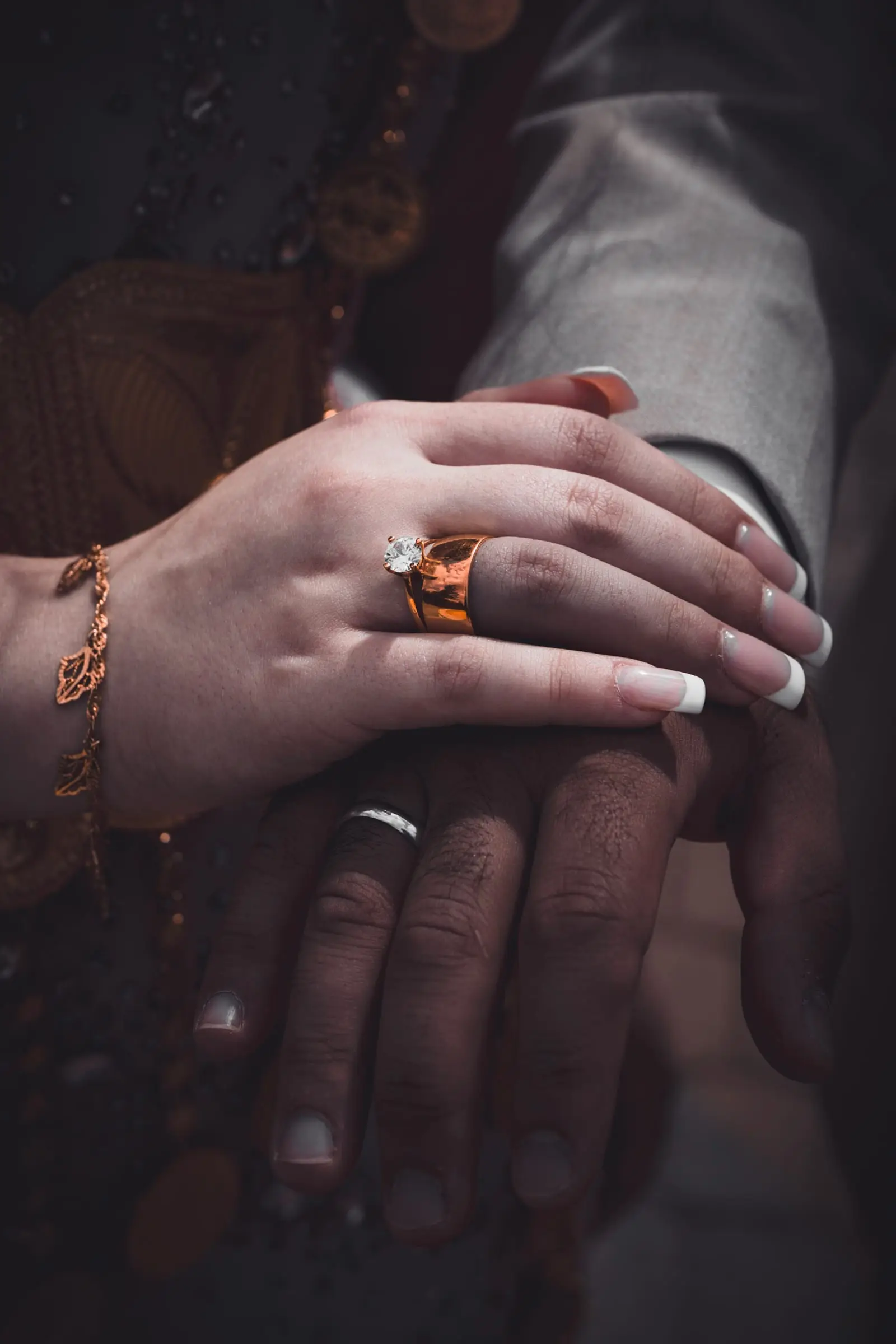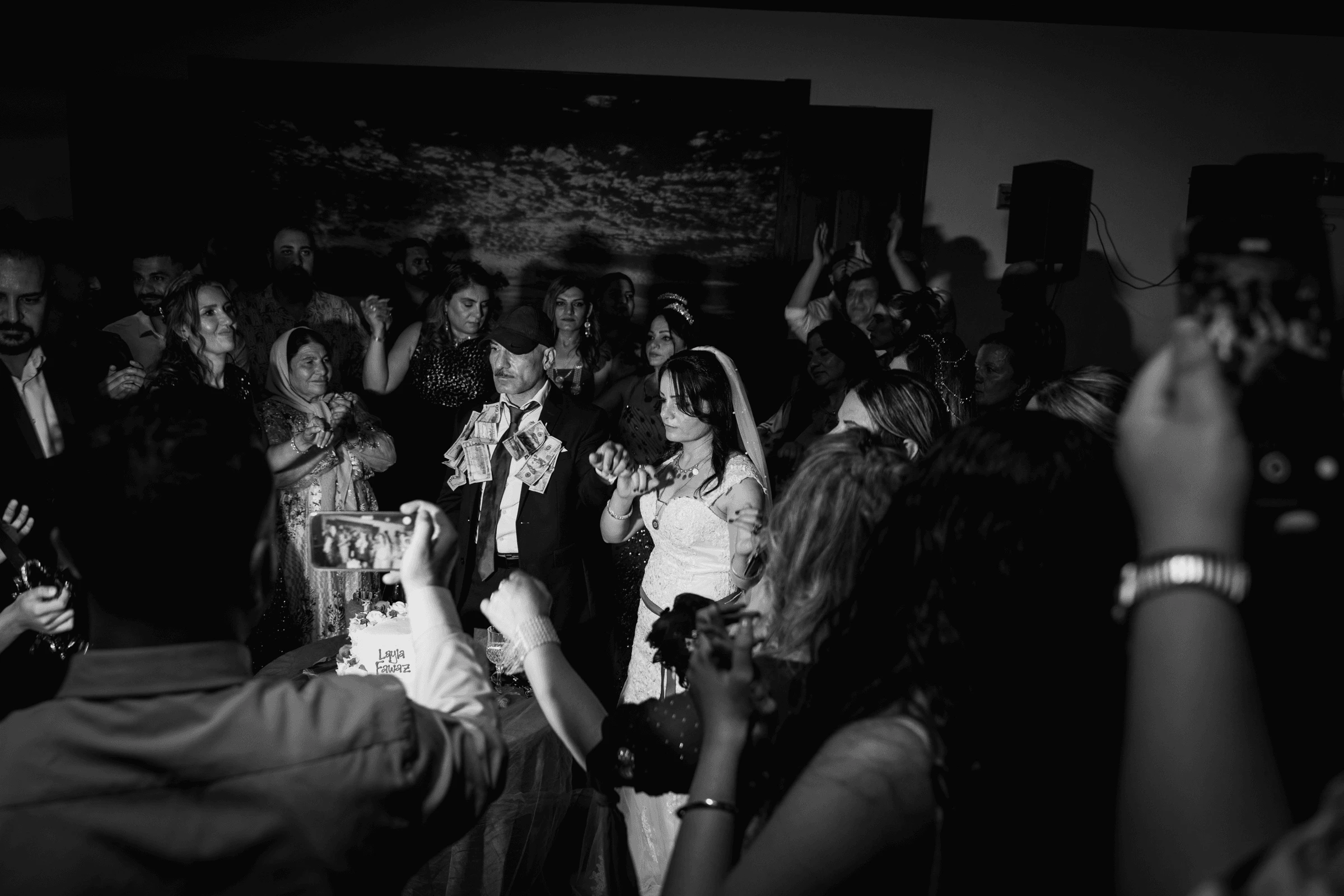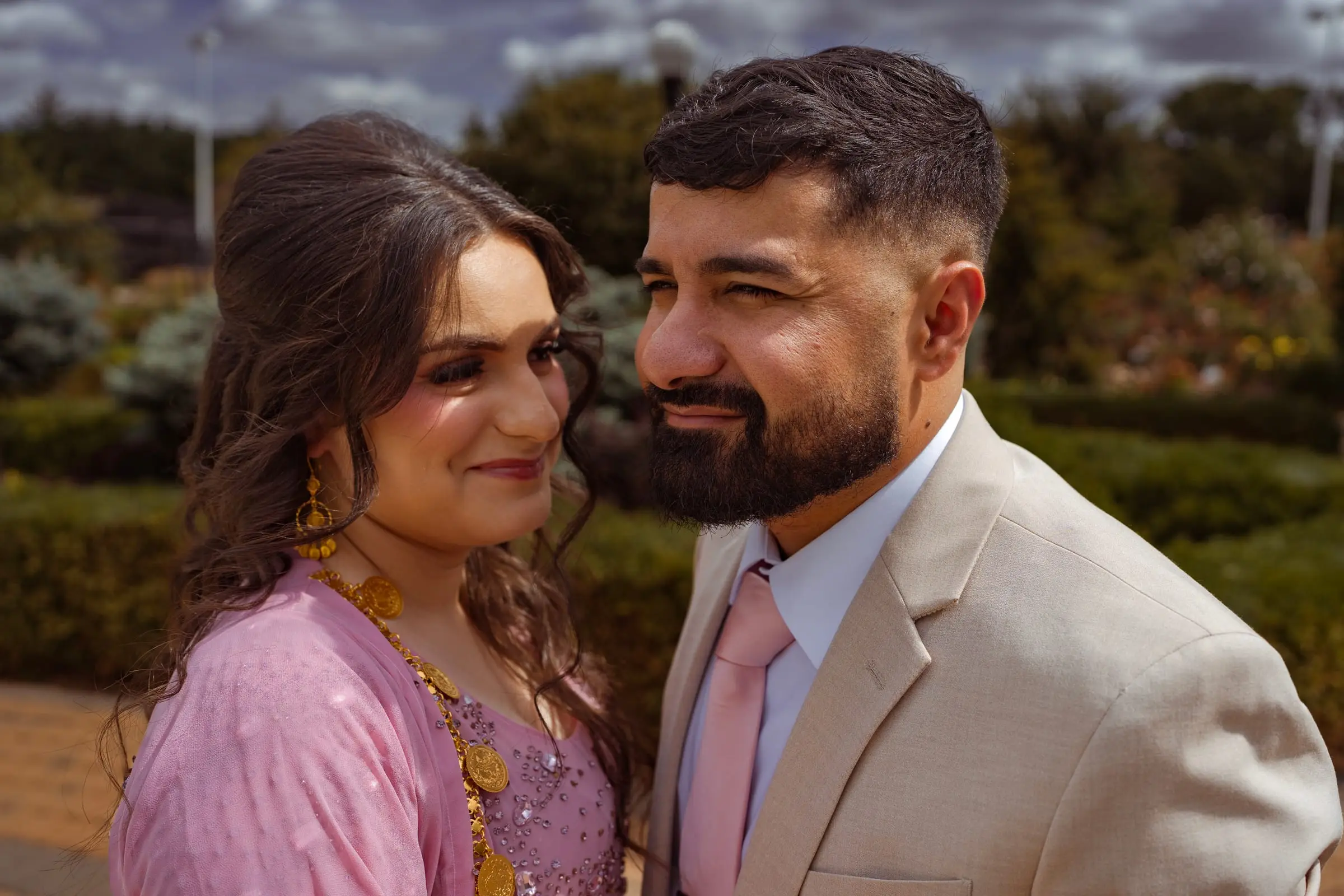
Choosing the best time of year to get married in Nebraska is the first real decision you make, and it's the one that quietly decides everything else. Your venue options, your budget, your flower prices, whether your guests are sweating through their suits, and — the part I care about professionally — what the light does at the exact moment you want to be photographed. Couples agonize for weeks over a photographer and pick the date in an afternoon because a Saturday in October "sounded nice."
So let's do this properly. This is a photographer's honest answer to the best time of year to get married in Nebraska: what each season actually does to your wedding day, what the weather odds really are, when the light is on your side, and where the date will save or cost you real money. I've worked Nebraska weddings in blast-furnace August and in a January that made the champagne slushy. I have opinions, and I'll tell you where they're just opinions.
If you want the honest short version, here it is.
The best time of year to get married in Nebraska: the short answer
Late September through mid-October is the best time to get married in Nebraska, and it isn't especially close. You get warm days, cool evenings, the lowest rain odds of the year, the fall color turning, and a sunset that lands at a civilized hour instead of 9 PM. It's also the most contested stretch on every good venue's calendar, and it's priced accordingly.
Late April through May is the runner-up — genuinely beautiful, genuinely risky. That's peak thunderstorm season, and you're gambling.
The underrated answer is winter. A January or February wedding in Nebraska will save you thousands, get you a venue that would otherwise laugh at your date request, and — if you plan around a 5 PM sunset instead of pretending it isn't happening — can look extraordinary. Most couples won't do it. The ones who do get a wedding nobody else has.
Everything below is the reasoning.
What "best" actually means — pick your axis
There is no universally best month, because "best" is three different questions wearing a trench coat. Every couple weights them differently, and the fights I've watched couples have about dates are almost always because two people are optimizing different axes without saying so out loud.
Axis one: comfort. Will your guests be miserable? This is the one people underweight and then regret. A grandmother in a folding chair in 92°F humidity is a real cost that doesn't show up on any spreadsheet.
Axis two: light and look. What does the day actually look like in photographs? This is where the season does more work than any other single variable — more than your dress, more than your florals, more than the venue.
Axis three: money and availability. Peak season means peak prices and a venue calendar that was picked over eighteen months ago. Off-season means leverage.
You can usually get two. Almost nobody gets all three, and anyone telling you otherwise is selling something.
The best months to get married in Nebraska, month by month
These are long-run climate averages for the Lincoln area, rounded. Treat them as planning guides, not forecasts — Nebraska has an aggressive sense of humor about averages, and any individual day can and will do whatever it wants.
| Month | Typical high / low | Rain risk | Light quality | Venue pricing |
|---|---|---|---|---|
| January | ~34° / ~14° | Low (snow possible) | Short days, gorgeous low sun | Lowest |
| February | ~39° / ~19° | Low | Same, slightly longer | Lowest |
| March | ~52° / ~29° | Moderate | Unpredictable, often grey | Low |
| April | ~63° / ~40° | Moderate–high | Soft, variable | Rising |
| May | ~74° / ~52° | Highest | Beautiful when it holds | Peak |
| June | ~84° / ~62° | High | Long days, very late sunset | Peak |
| July | ~89° / ~67° | Moderate | Harsh midday, late sunset | Peak |
| August | ~87° / ~65° | Moderate | Harsh midday, hazy | Peak |
| September | ~79° / ~55° | Low | Excellent | Peak |
| October | ~66° / ~42° | Lowest | Excellent + color | Peak |
| November | ~50° / ~28° | Low | Bare, moody, early sunset | Falling |
| December | ~37° / ~19° | Low (snow possible) | Short days, holiday charm | Low |
Read that table for the pattern, not the digits. Nebraska's wet season and its hot season are stacked on top of the exact months the wedding industry has decided are "wedding season." October is the outlier where nature and the calendar finally agree — hence the pricing.
Fall: the honest winner
Late September through mid-October is what I'd book if it were my wedding, my money, and my photographs.
The reason is that everything stops fighting you at once. Daytime highs settle into the 60s and 70s — warm enough for an outdoor ceremony, cool enough that nobody's suit is a problem. October is reliably the driest stretch of the year here. The humidity that makes August feel like wearing a wet coat is gone. And the low, angled autumn sun does something to skin tones that I cannot manufacture with any light I own.
Then there's color. Nebraska doesn't do New England, and any photographer who promises you a blaze of foliage is overselling — but the cottonwoods, oaks, and maples around Lincoln turn gold and rust from roughly the first week of October through the third, and against that, a dark suit and a white dress look like a film still.
The catch is real, though. Everyone knows this. The best Lincoln venues sell out their October Saturdays twelve to eighteen months ahead, sometimes more, and they price the month like the asset it is. If you want an October Saturday in 2027, you should have been calling in 2026.
The workaround nobody takes: a Friday or Sunday in October. Same weather, same color, same light, frequently a meaningful discount, and a venue that will actually return your call. You'll lose a handful of out-of-town guests who can't swing the travel. In my experience that number is smaller than couples fear.
Late September deserves its own mention — a hair warmer, no color yet, but the rain odds have already dropped and the crowd hasn't fully arrived. It's the best-value week in the best season.
Spring: beautiful, and a genuine gamble
May weddings in Nebraska photograph beautifully. Everything is green in a way it won't be again until next year, the temperature is close to perfect, and the light is soft and generous.
May is also the wettest month of the year and sits in the heart of severe weather season. That's not a scare tactic; it's just what the climate does here. A May outdoor ceremony without a real indoor backup isn't a plan, it's a wish.
I'm not telling you to avoid spring. I'm telling you that if you choose it, you buy the insurance: a venue with a genuine indoor option you'd actually be happy in, a tent quote you've already priced, and a timeline with enough slack to move things by forty minutes when the radar turns interesting. Couples who do that have wonderful May weddings. Couples who don't spend their reception watching the sky.
April is the same bet with cooler temperatures and less certainty. March I'd steer you away from unless you're committed to an indoor wedding, in which case it's a bargain.
One underappreciated spring advantage: the wind. Nebraska is windy year-round, but spring is our windiest stretch. It ruins veils and updos, and it's the single most common thing that derails an outdoor spring ceremony that the weather otherwise blessed. Ask your venue which direction their ceremony site faces and whether anything blocks a south wind. Most couples never think to ask. It matters more than the forecast.
Summer: the season everyone picks and nobody enjoys
June, July, and August are the default. They're also, honestly, the hardest days I work.
The heat is the obvious problem — July highs near 90°F with humidity on top, guests wilting, makeup running, and a groom who cannot take the jacket off in the photos he'll hang on his wall. That's manageable with shade, water, and a timeline that doesn't park people in a field at 2 PM.
The less obvious problem is the light, and it's the one I'd actually plan around. In late June the sun doesn't set in Lincoln until roughly 9:00 PM. That sounds romantic until you do the math on your reception: your golden hour — the twenty minutes that produce the photographs you'll actually frame — lands somewhere around 8:30 PM, which is the middle of dinner or the middle of toasts. Every summer wedding I shoot involves negotiating with a couple to leave their own reception for fifteen minutes, and every one of them is glad they did.
Meanwhile, midday summer sun in Nebraska is close to directly overhead and unforgiving: hard shadows in eye sockets, blown highlights on a white dress, squinting. It's workable — shade, scrims, timing — but it's work, and it's the one lighting condition where the season is actively against the photograph.
If you're set on summer, do these three things. Get an evening ceremony rather than an early-afternoon one. Build a hard fifteen-minute golden hour block into the timeline and defend it. And put shade or water somewhere your guests can find it. That's most of the difference between a hot wedding and a bad one.
Winter: the one worth actually considering
Here's my genuinely contrarian take. A Nebraska winter wedding is the best deal in this market and produces some of the most distinctive work I do.
The math is simple. Venues that are untouchable in October have open Saturdays in January and February, often at a substantial discount. The same is frequently true across the board — florists, planners, and photographers all have more room in the off-season, and more room means more attention on your day. Your guest list travels in the slowest month of the year. And nobody else's wedding photos look like yours.
The light is the part people get wrong. Yes, the days are short — sunset around 5 PM in late December, which sounds like a problem. It isn't, if you build the day around it instead of against it. Winter sun never climbs high, which means the flattering low-angle light that summer gives you for twenty minutes at 8:40 PM, winter gives you for most of the afternoon. A 2 PM winter ceremony has light that a 2 PM July ceremony can only dream about. And an early sunset means your reception starts in the dark, with candles and warm interiors doing exactly what they're supposed to do.
Snow is a bonus, not a plan. It might snow on your February wedding. It might be 45°F and brown. Both photograph well, and only one of them is what you pictured, so hold that loosely.
Winter is also when most of the Nebraska elopements I shoot happen — a courthouse morning and a two-person session in that low afternoon light is a genuinely great day.
The honest costs: some of your guests won't travel, and a real ice storm is the one weather event that can genuinely wreck a Nebraska wedding day in a way rain never does. If half your guest list is driving in from out of state in January, that's a legitimate reason to pick a different month. If your people are local, the risk is smaller than it feels.
The golden hour math nobody does before booking
This is the single most useful thing in this post, and it takes two minutes.
Golden hour — roughly the last hour before sunset — is where the photographs you'll actually hang on a wall come from. It moves by about four hours across the year, and your reception doesn't move at all. So the season silently decides whether your best light lands during cocktails or during your first dance.
Approximate sunset times for Lincoln:
| Date | Sunset (approx.) | What that means for your timeline |
|---|---|---|
| Late December | ~5:00 PM | Ceremony by 2 PM; reception is candlelit |
| Late March | ~7:45 PM | Golden hour after dinner starts |
| Late June | ~9:00 PM | Golden hour lands mid-reception — plan the break |
| Late September | ~7:10 PM | Lands neatly between ceremony and dinner |
| Late October | ~6:20 PM | Comfortable, early, easy to build around |
Look up the exact sunset for your date before you sign the venue contract, not after. Then ask one question: where does my golden hour fall in the day I'm imagining? In late September and October it drops naturally into the gap between the ceremony and dinner, which is why those months make my job easy and everyone else's timeline sane. In June it lands in the middle of your reception, and you'll have to go get it on purpose. Neither is wrong. But one of them requires a decision, and the couples who make that decision in advance are always happier with their gallery than the ones who discover it at 8:15 PM with a plate of chicken in front of them.
This is the same reasoning that drives everything in our wedding guide — the date sets the timeline, and the timeline sets the photographs.
Where the date saves you real money
If budget is the axis you're optimizing, the date is the biggest lever you have, and it's bigger than most couples realize.
Off-season (November through March) is where the real savings live. Venue rates drop, availability opens up, and vendors who are booked solid in October have time for you.
Fridays and Sundays in any month, including peak season, are typically cheaper than the Saturday next to them. A Sunday in early October may genuinely be the best value in the entire Nebraska wedding calendar: peak conditions, off-peak leverage.
Avoid holiday weekends unless there's a family reason. You pay a premium, your guests pay more for flights and hotels, and everyone's travel is worse.
What the date does not change, in my experience, is what good work costs. Photography pricing tracks the hours and the craft more than the calendar — I've written honestly about the investment side of that. But the venue and the surrounding vendors are absolutely date-sensitive, and moving from an October Saturday to a February Saturday can free up real budget for the parts of the day you'll still care about in twenty years.
How your date changes what I actually do
A quick note on the photography itself, because the season isn't a neutral backdrop.
In summer, most of my planning energy goes into finding shade and defending a golden hour block that the reception schedule wants to eat. In fall, the day mostly runs itself and I get to spend attention on the couple instead of the conditions. In winter, everything compresses — I'm working a shorter usable window with more intention, leaning on interiors, candlelight, and that long low afternoon sun. In spring, half the job is contingency: knowing the indoor fallback well enough to shoot it beautifully with ten minutes' notice.
None of these are worse. They're different films. But it's worth knowing that when you pick a date, you're picking a look — and it's worth telling whoever shoots your wedding which one you're after. If you want to see how those seasons actually read in finished work, the portfolio is sorted by wedding, and you can pretty quickly tell October from July.
FAQs
What is the best month to get married in Nebraska? October, on balance — lowest rain odds of the year, comfortable temperatures, fall color, and a sunset early enough to build a sane timeline around. Late September is nearly as good and slightly less contested. The tradeoff is that October is the most expensive and most booked-out month in the state.
What is the cheapest time of year to get married in Nebraska? January and February. Off-season venue rates, wide-open calendars, and vendors with real availability. December is cheap too but competes with holiday parties for venue space. In any month, a Friday or Sunday beats the Saturday beside it on price.
Is it risky to plan an outdoor wedding in May in Nebraska? It's a real gamble. May is the wettest month here and sits in peak thunderstorm season. May outdoor weddings are lovely when they work — but only book one if you have an indoor backup you'd genuinely be happy with, and a timeline with enough slack to shift things by half an hour.
How far in advance should I book a Nebraska wedding date? For a peak-season Saturday — September, October, or May — twelve to eighteen months ahead, and the best venues go further out than that. For off-season or a Friday/Sunday, six to nine months is usually fine. The venue and the photographer are the two bookings that constrain everything downstream, so lock those first.
Does a winter wedding actually photograph well in Nebraska? Yes, and better than most couples expect. Winter sun stays low all day, which is the same flattering light summer only gives you right before sunset. The catch is the short day — sunset near 5 PM in December — so the ceremony has to move earlier and the reception is candlelit by design. Plan around it and it's one of the best looks available here. Don't count on snow, though.
What about wind? Nobody mentions wind. They should. Nebraska is windy year-round and windiest in spring, and it's the most common thing that quietly ruins an outdoor ceremony the forecast said was fine. Veils, updos, floral arrangements, and unsecured decor all lose to a 25 mph gust. Ask your venue which way the ceremony site faces and what blocks the wind before you book it.
Closing
If you take one thing from this: pick the date on purpose. Not because a Saturday in October sounded nice, but because you looked at what that month does to your guests' comfort, your budget, and the light at the hour you want to be photographed — and you decided the tradeoff was worth it.
October is the right answer for most couples, and it costs what the right answer costs. Winter is the right answer for more couples than choose it. Summer is fine if you plan the light instead of hoping for it. Spring is beautiful and you should buy the insurance.
If you're deciding between two dates and want a straight answer about what each one would actually look like, that's a conversation I'm happy to have whether or not you end up booking us — you can see how we work as a Lincoln wedding photographer, or just reach out and ask. Bring both dates. I'll tell you what the light does.